Malunggay Pandesal Recipe – The Softest Homemade Bread That Stays Soft for Days
Malunggay Pandesal Recipe
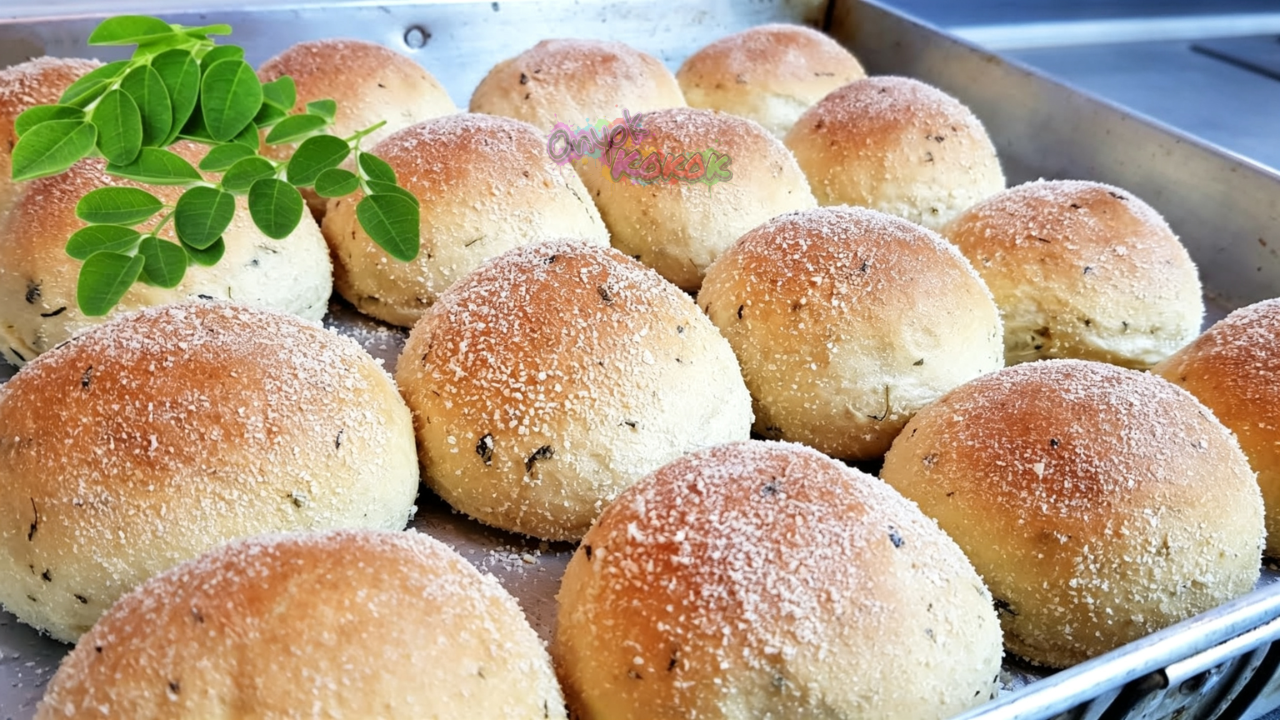
Malunggay Pandesal is a delicious and healthier twist on the classic Filipino pandesal. Made with fresh malunggay (moringa) leaves, this homemade bread has a beautiful natural green color, a subtle earthy flavor, and an incredibly soft texture that lasts for days. If you’ve been looking for a Malunggay Pandesal recipe that doesn’t require a stand mixer, you’ve come to the right place.
One of the biggest challenges when making homemade bread is keeping it soft after the first day. Many recipes become dry or hard overnight, but this Malunggay Pandesal remains fluffy and tender even after 2 to 3 days when stored properly in an airtight container. The secret is using a combination of bread flour and all-purpose flour, evaporated milk, vegetable shortening, proper kneading, and allowing the dough enough time to rise.
Malunggay, also known as moringa, has long been recognized in the Philippines for its nutritional benefits. It’s rich in vitamins A and C, calcium, iron, potassium, and antioxidants. Adding fresh malunggay leaves not only makes your bread more nutritious but also gives it a unique homemade flavor that pairs wonderfully with butter, cheese, peanut butter, jams, or even savory fillings.
Another reason you’ll love this recipe is that no mixer is needed. Everything can be mixed and kneaded by hand. Although the dough starts out sticky, don’t be tempted to add too much flour. With patience and proper kneading, the dough gradually becomes smooth, elastic, and much easier to handle.
Whether you’re baking for breakfast, merienda, baon, or selling homemade bread, this Malunggay Pandesal recipe is one you’ll want to keep. The soft texture, fresh aroma, and nutritious malunggay make it a family favorite.
If you’ve never made bread before, don’t worry. Follow the simple instructions and tips below, and you’ll be rewarded with bakery-style Malunggay Pandesal that’s soft, flavorful, and perfect every time.
8 Tips for the Softest Malunggay Pandesal
1. Bloom the Yeast Properly
Even if you’re using instant yeast, blooming it in warm water with sugar is a great way to check if your yeast is still active. After 5 to 10 minutes, it should become foamy. If nothing happens, your yeast may no longer be active, and your dough may not rise properly.
2. Use Warm, Not Hot Water
Warm water helps activate the yeast. Water that’s too hot can kill the yeast, while cold water slows down fermentation.
3. Don’t Add Too Much Flour
The dough will be sticky at the beginning, and that’s completely normal. Resist the urge to keep adding flour. As you continue kneading for about 15 minutes, the dough becomes smoother and more elastic. Adding excessive flour will make your Malunggay Pandesal dense instead of soft.
4. Why Combine Bread Flour and All-Purpose Flour?
Using both flours gives the best balance. Bread flour provides stronger gluten development for better structure and chew. All-purpose flour keeps the bread softer and lighter. This combination creates soft yet fluffy pandesal with excellent texture.
5. Use Room Temperature Shortening
Do not melt the shortening. Softened shortening coats the flour evenly, helping create a tender crumb while keeping the bread soft for several days. Butter can also be used if preferred but shortening will make your pandesal softer because of its high fat content.
6. Allow Enough Rising Time
Depending on the room temperature, the dough may need 1 to 2 hours to double in size. Avoid rushing this step because proper fermentation develops better flavor and a softer texture.
7. Don’t Skip the Second Rise
After shaping the dough into balls, let them rest again before baking. This second proof helps produce lighter and fluffier Malunggay Pandesal.
8. Store Correctly
Once completely cooled, transfer the bread to an airtight container or resealable bag. Proper storage helps maintain softness for several days.
Malunggay Pandesal Recipe – The Softest Homemade Bread That Stays Soft for Days
Ingredients
For the Dough
- 1 cup all-purpose flour
- 1 cup bread flour
- 1/4 cup white sugar Use 1/3 cup if you prefer sweeter bread
- 1/4 teaspoon salt
- 3/4 cup evaporated milk
- 3 tablespoons vegetable shortening room temperature (do not melt). Butter may also be used.
- 1/2 cup fresh malunggay leaves chopped
Yeast Mixture
- 1½ teaspoons yeast
- 1/4 cup warm water
- 1 tablespoon white sugar
For Rolling
- Fine bread crumbs
Instructions
- Wash and finely chop the fresh malunggay leaves.
- Prepare the yeast mixture by combining warm water, yeast, and sugar. Let it sit for about 5 to 10 minutes until foamy.
- In a large bowl, combine the all-purpose flour, bread flour, sugar, and salt.
- Add the evaporated milk, chopped malunggay leaves, bloomed yeast mixture, and room-temperature shortening.
- Mix until a dough forms.
- Knead the dough for about 15 minutes or until it becomes smooth and elastic.
- Lightly coat the dough with cooking oil.
- Transfer to a clean bowl, cover with a cloth or plastic wrap, and let it rise for 1 to 2 hours or until doubled in size.
- Punch down the dough and divide it into 16 equal portions.
- Shape each piece into a smooth ball.
- Roll each dough ball in fine bread crumbs until coated.
- Arrange on a parchment-lined baking tray, leaving space between each piece.
- Cover again and allow to rise for another 30 minutes.
- Preheat your oven to 170°C.
- Bake for 15 to 17 minutes or until lightly browned.
- Remove from the oven and let the Malunggay Pandesal cool slightly before serving.
Other Ways of Cooking – Air Fryer
Yes. If your air fryer is large enough, you can bake Malunggay Pandesal in batches.
- Preheat the air fryer to 160°C.
- Bake for approximately 10 to 14 minutes depending on the size of your air fryer and the dough pieces.
- Check during the last few minutes since air fryers cook faster than conventional ovens.
The tops may brown a little quicker than oven-baked pandesal, but the bread will still be soft and delicious.
Storage
Store completely cooled Malunggay Pandesal in an airtight container, resealable plastic bag, or bread box at room temperature. Properly stored, it remains soft for about 3 days.
For longer storage, freeze the cooled bread in a freezer-safe bag for up to 2 months. Thaw at room temperature, then warm in the oven or air fryer for a few minutes to refresh the texture.
Frequently Asked Questions
Can I use only all-purpose flour?
Yes, but the bread may be slightly softer and less chewy. The combination of bread flour and all-purpose flour provides the best balance of softness and structure.
Can I use only bread flour?
Yes. The bread will have a slightly chewier texture with stronger gluten development.
Can I use butter instead of shortening?
Yes. Butter adds a richer flavor, while shortening generally keeps the bread softer for a longer time.
Can I use active dry yeast?
Yes. Simply bloom it using the same yeast mixture before adding it to the dough.
Can I skip blooming the yeast if I’m using instant yeast?
Technically yes, since instant yeast can be mixed directly with the flour. However, blooming is still recommended because it confirms that the yeast is alive and active before you mix the dough. This helps prevent failed batches caused by inactive yeast.
Why is my dough very sticky?
Sticky dough is completely normal at the beginning. Continue kneading instead of adding lots of extra flour. The dough becomes smoother as gluten develops.
Can I use dried malunggay leaves?
Fresh malunggay leaves are highly recommended because they provide better flavor, color, and texture. Dried leaves may slightly change the taste and appearance.
Why didn’t my dough rise?
Possible reasons include expired yeast, water that was too hot, insufficient rising time, or a room that’s too cold.
Can I make the dough ahead of time?
Yes. After the first rise, refrigerate the dough overnight. Allow it to return closer to room temperature before shaping, proofing, and baking.
What goes well with Malunggay Pandesal?
It tastes delicious with butter, cheese, peanut butter, chocolate spread, fruit jam, scrambled eggs, tuna spread, chicken salad, or simply enjoyed on its own.
Malunggay Pandesal Recipe Video
For more recipe videos, visit our YouTube channel, Onyok Kokok, by clicking the link below.
https://www.youtube.com/@onyokkokok8538
Discover more step-by-step written recipes by clicking the link below.
Filipino Recipes & Cooking – Onyok Kokok Kitchen
Final Note
This Malunggay Pandesal recipe proves that homemade bread doesn’t have to be difficult. With simple ingredients, hand kneading, and a little patience, you can enjoy bakery-quality pandesal that’s incredibly soft, fluffy, and stays fresh for days. The addition of nutritious malunggay makes this bread both delicious and wholesome, making it a wonderful choice for breakfast, merienda, or even a small baking business.
If you try this recipe, don’t forget to share it with family and friends. Freshly baked Malunggay Pandesal is always best when enjoyed together!