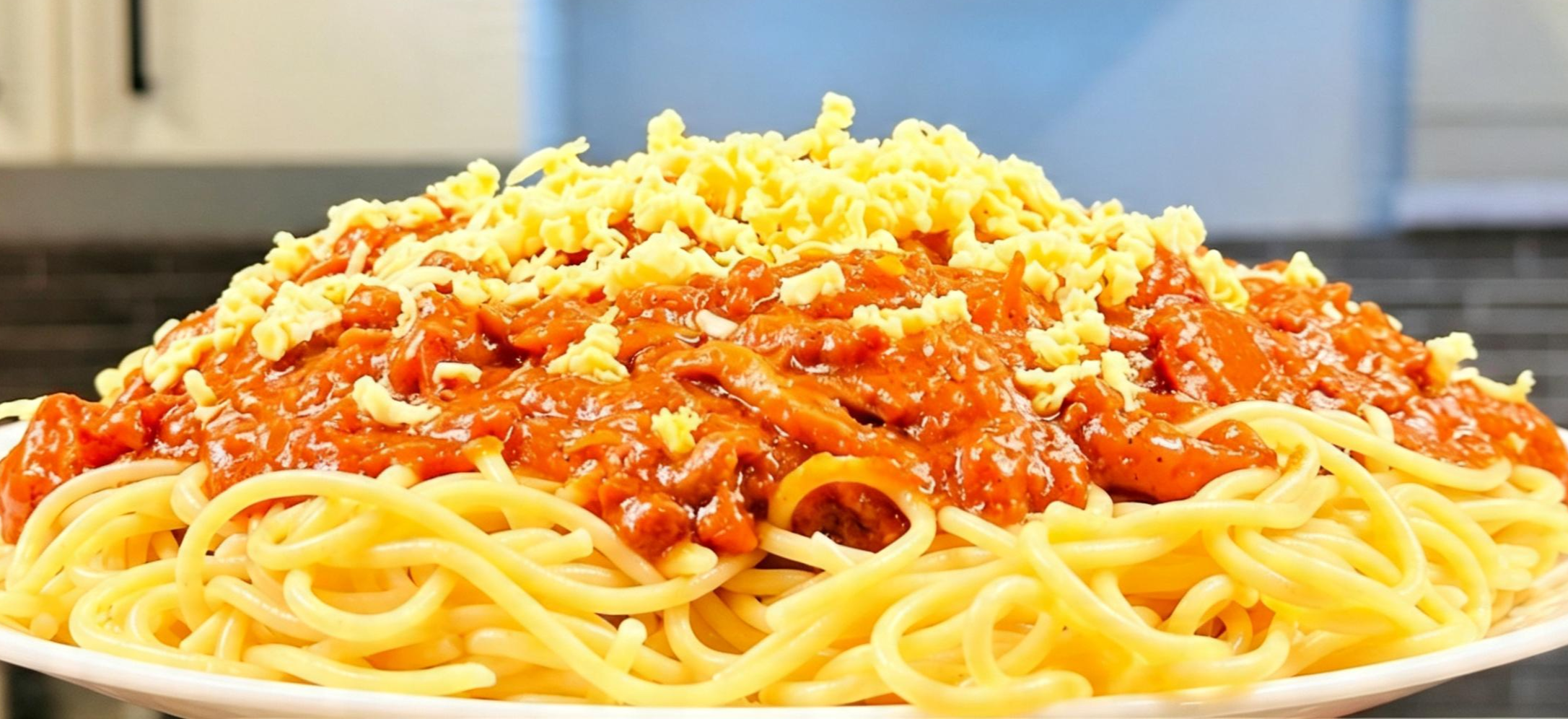
The Best Filipino Style Spaghetti Recipe for Family Gatherings
Filipino Style Spaghetti Recipe
Filipino Style Spaghetti is my favorite spaghetti that is always gone whenever we have a handaan. This is my wife’s recipe, and I’m sure you will love it too! It is rich, creamy, savory, meaty, and packed with the flavorful taste that makes Filipino-style spaghetti so special.
Unlike a simple spaghetti sauce, this Filipino Style Spaghetti has several layers of flavor from ground beef, hotdogs, liver spread, oyster sauce, mushrooms, tomato paste, cheese, and all-purpose cream. We also use grated carrots as our natural source of sweetness, although you can add a little sugar if you prefer your spaghetti sweeter.
What makes this recipe special for me is how we cook each ingredient. We don’t simply throw everything into the pan at once. The ground beef is lightly browned first to develop more flavor, while the black pepper is added early so the beef can absorb its flavor. We also add the butter later in the cooking process instead of during the initial sauteing.
Why You’ll Love This Filipino Style Spaghetti
There are many ways to make Filipino spaghetti, but this version is especially creamy and flavorful. Here are some things I love about this recipe:
- Rich and creamy – All-purpose cream and grated cheese give the sauce a rich and creamy consistency.
- Meaty and savory – Ground beef, hotdogs, liver spread, and oyster sauce create layers of savory flavor.
- Naturally sweet – Grated carrots add sweetness without immediately needing sugar.
- Thick spaghetti sauce – Tomato paste helps make the sauce thicker and more concentrated.
- Perfect for handaan – This recipe is great for birthdays, Christmas, holidays, family gatherings, and other celebrations.
- Easy to customize – You can adjust the sweetness, creaminess, thickness, and seasoning according to your preference.
The Secret to a More Flavorful Filipino Style Spaghetti
One of the most important things I do when making this Filipino Style Spaghetti is to give the ground beef enough time to brown lightly.
After adding the beef and salt, I cook it until the moisture evaporates and the beef develops a little browning. That slight browning adds another layer of flavor to the sauce.
I also add the ground black pepper while cooking the beef. Instead of simply adding pepper at the end, adding it earlier allows the beef to absorb some of its flavor.
Another technique that makes a difference is adding the butter later. I don’t add the butter at the beginning when sauteing the garlic and onions. I add it after the meat and vegetables have cooked. This gives the sauce a creamier and richer character. When butter is cooked for a long time during the initial sautéing, it can develop a more nutty flavor, which isn’t what I’m looking for in this particular spaghetti sauce.
Why We Cook the Tomato Paste First
For this Filipino Style Spaghetti, we use tomato paste together with Filipino-style spaghetti sauce. Tomato paste is much more concentrated than regular tomato sauce. It helps make the sauce thicker and gives it a deeper tomato flavor.
However, tomato paste can have a sharp, concentrated sourness when added directly. That’s why I cook it for around two minutes before adding the spaghetti sauce. This helps mellow that sharp flavor and allows the tomato paste to blend better with the other ingredients.
Why We Add the All-Purpose Cream Before the Spaghetti Sauce
Another step that may be different from how you usually make spaghetti is adding the all-purpose cream before the spaghetti sauce. I add the all-purpose cream first and cook it briefly before adding the Filipino-style spaghetti sauce. This allows the cream to cook into the mixture before the tomato-based sauce is introduced.
Once the spaghetti sauce is added, everything is simmered together over low heat until the flavors come together.
The result is a thick, creamy and flavorful Filipino Style Spaghetti sauce.
Tips for Making Filipino Style Spaghetti
1. Don’t burn the garlic.
Lightly browned garlic is flavorful, but overbrowned or burnt garlic can make the sauce bitter.
2. Let the beef brown.
Allowing the moisture to evaporate and the beef to lightly brown adds more flavor.
3. Start with 1 teaspoon of black pepper.
You can always add more later. Taste the sauce before adding additional pepper.
4. Don’t skip cooking the tomato paste.
Cooking it for about two minutes helps mellow its sharp, concentrated sourness.
5. Add the butter later.
Adding the butter after the meat and vegetables have cooked helps give the sauce a rich and creamy character.
6. Adjust the sweetness to your preference.
The grated carrot provides sweetness, but you can add sugar if you like your Filipino spaghetti sweeter.
7. Adjust the sauce consistency.
This recipe produces a thick sauce. Add a little water if you prefer a thinner consistency.
8. Taste before serving.
Because ingredients such as oyster sauce, liver spread, hotdogs, and cheese already contain seasoning, always taste the sauce before adding more salt.
The Best Filipino Style Spaghetti Recipe for Family Gatherings
Ingredients
For the Spaghetti Sauce
- 2-3 tbsp cooking oil
- ½ bulb garlic minced
- 2 medium red onions minced
- ½ kg ground beef
- 1 tbsp salt
- ¼ cup butter 50 grams
- 1-2 tsp ground black pepper start with 1 tsp, adjust as needed
- 10 regular-size hotdogs sliced
- 2 tbsp oyster sauce
- 1 small can liver spread
- 1 small bell pepper minced
- 1 medium carrot grated
- 1 can mushrooms stems and pieces, remove the liquid
- 1 small pack Del Monte tomato paste
- 1 Filipino-Style Del Monte Spaghetti Sauce 900 g
- 1 pack Nestle All Purpose Cream
- ½ kg Eden cheese grated
For Serving
- Cooked spaghetti noodles
- Extra grated cheese for topping
This recipe is for 1kg of pasta or more, depends how much sauce you put.
Instructions
Saute the Garlic and Onion
- Heat a large pan over medium heat. Add the cooking oil and saute the minced garlic until light brown.
- Be careful not to overbrown the garlic because burnt garlic can make the sauce bitter.
- Add the minced red onions and saute until translucent.
Brown the Ground Beef
- Add the ground beef and salt.
- Cook while stirring occasionally until the moisture from the beef evaporates and the beef develops a light brown color.
- Don’t rush this step. The slight browning of the beef adds extra flavor to the Filipino Style Spaghetti sauce.
Add the Black Pepper
- Add 1 teaspoon of ground black pepper and mix well.
- Adding the pepper at this stage allows the beef to absorb its flavor.
- You can add more black pepper later according to your taste.
Add the Hotdogs
- Add the sliced hotdogs and cook until they are slightly cooked and heated through.
- Hotdogs are an important part of Filipino-style spaghetti and give the sauce that familiar flavor many Filipinos grew up loving.
Add the Oyster Sauce
- Add the oyster sauce and mix well.
- I like adding the oyster sauce at this stage so the beef and hotdogs can absorb its savory flavor.
Add the Liver Spread and Vegetables
- Add the liver spread, minced bell pepper, and grated carrots.
- The grated carrots provide natural sweetness to the sauce. If you prefer a sweeter Filipino-style spaghetti, you can add sugar according to your taste.
- Cook until the bell pepper becomes very soft.
- Cover the pan and stir occasionally while cooking.
Add the Butter
- Once the meat and vegetables have cooked, add the butter.
- This is when I prefer to add the butter rather than adding it during the initial sauteing.
- Adding the butter at this stage helps give the sauce a richer and creamier texture without developing too much of the nutty flavor that can happen when butter is cooked for a longer time at the beginning.
Add the Mushrooms
- Add the mushrooms and mix well.
- Cook for a few minutes so the mushrooms can blend with the meat mixture.
Cook the Tomato Paste
- Add the tomato paste and mix thoroughly.
- Cook the tomato paste for about 2 minutes.
- This step helps reduce the sharp sourness of the concentrated tomato paste and allows its flavor to develop before adding the spaghetti sauce.
Add the All-Purpose Cream
- Add the Nestle All Purpose Cream and mix well.
- Cook the cream briefly before adding the spaghetti sauce.
Add the Filipino-Style Spaghetti Sauce
- Pour in the Filipino-Style Del Monte Spaghetti Sauce.
- Mix everything together.
- Bring the sauce to a boil, then lower the heat and allow it to simmer gently.
- Cover the pan and stir occasionally.
Adjust the Consistency
- I personally prefer this Filipino Style Spaghetti sauce thick and rich.
- If you prefer a thinner sauce, you can add a little water until you reach your desired consistency.
- If you add water, remember to taste the sauce again and adjust the seasoning if necessary.
Add the Cheese
- Add the grated Eden cheese.
- Cook and stir until the cheese melts completely and becomes incorporated into the sauce.
- Taste and adjust the salt, pepper, or sweetness according to your preference.
Cook the Spaghetti Noodles
- Cook the spaghetti noodles according to the instructions on the package.
- Drain well and serve with the creamy Filipino-style spaghetti sauce.
- Top generously with extra grated cheese.
Can You Bake Filipino Style Spaghetti?
Yes. This Filipino Style Spaghetti can also be turned into a baked spaghetti dish.
After cooking the sauce and spaghetti noodles, combine them in a baking dish. Top generously with grated cheese and bake until the cheese is melted and lightly browned on top.
This is a great option when preparing spaghetti for a party or handaan because you can assemble it ahead of time and bake it before serving.
How to Store Filipino Style Spaghetti
Yes, you can store leftover Filipino Style Spaghetti in the refrigerator or freezer.
Allow the sauce and pasta to cool before transferring them to clean, airtight containers. Refrigerate them promptly rather than leaving them at room temperature for an extended period.
For the best quality, I recommend storing the sauce and cooked noodles separately when possible. This helps prevent the noodles from absorbing too much sauce and becoming overly soft.
Refrigerator: Properly stored, the spaghetti sauce and cooked noodles can last for 3-4 days in the refrigerator.
Freezer: The spaghetti sauce can be frozen in an airtight, freezer-safe container for up to 2–3 months for best quality. The cooked noodles can also be frozen, although their texture may become slightly softer after thawing. For best results, freeze the sauce separately from the noodles.
When reheating frozen sauce, thaw it in the refrigerator overnight and then reheat it thoroughly on the stovetop. If the sauce becomes too thick after refrigeration or freezing, add a small amount of water while reheating and stir until it reaches your preferred consistency.
Important: Do not refreeze spaghetti that has already been thawed and reheated. For food safety, discard leftovers that have been left at room temperature for more than 2 hours (or 1 hour if the temperature is above 32°C/90°F).
Frequently Asked Questions
Can I make Filipino Style Spaghetti sweeter?
Yes. This recipe uses grated carrots as a natural source of sweetness. If you prefer the sweeter flavor traditionally associated with Filipino spaghetti, you can add sugar according to your taste.
Can I use a different type of meat?
Yes. You can use ground pork or a combination of ground pork and ground beef. However, ground beef gives this particular recipe its rich and meaty flavor.
Can I omit the mushrooms?
Yes. If your family doesn’t like mushrooms, you can leave them out. The sauce will still be flavorful because it contains several other savory ingredients.
Can I make this Filipino Style Spaghetti without liver spread?
Yes, you can omit the liver spread if you don’t have it or don’t prefer its flavor. However, it contributes additional savory depth to the sauce.
Why is my spaghetti sauce too thick?
This recipe intentionally produces a thick sauce. If it is thicker than you prefer, add a little water and mix well. Taste and adjust the seasoning afterward.
Can I add more cheese?
Absolutely! If you love cheesy spaghetti, you can add more cheese to the sauce or use extra grated cheese as a topping.
What makes Filipino spaghetti different?
Filipino spaghetti is generally known for its sweeter, richer, and more savory flavor compared with many traditional Italian-style spaghetti sauces. Hotdogs and a sweeter-style tomato sauce are also commonly associated with Filipino spaghetti.
Filipino Style Spaghetti Recipe Video
For more recipe videos, visit our YouTube channel, Onyok Kokok, by clicking the link below.
https://www.youtube.com/@onyokkokok8538
Discover more step-by-step written recipes by clicking the link below.
Filipino Recipes & Cooking – Onyok Kokok Kitchen
Final Note
This Filipino Style Spaghetti is one of those recipes that I always look forward to eating, especially during family gatherings and handaan.
What makes it even more special is that this is my wife’s recipe. It’s rich, creamy, meaty, savory, cheesy, and has that familiar Filipino-style sweetness that makes you want another serving.
In our family, this is the kind of spaghetti that is laging ubos pag may handaan.
I hope you give this recipe a try. You can adjust the sweetness, pepper, cheese, and consistency according to your family’s preference.
And if you make it, don’t forget the extra grated cheese on top!