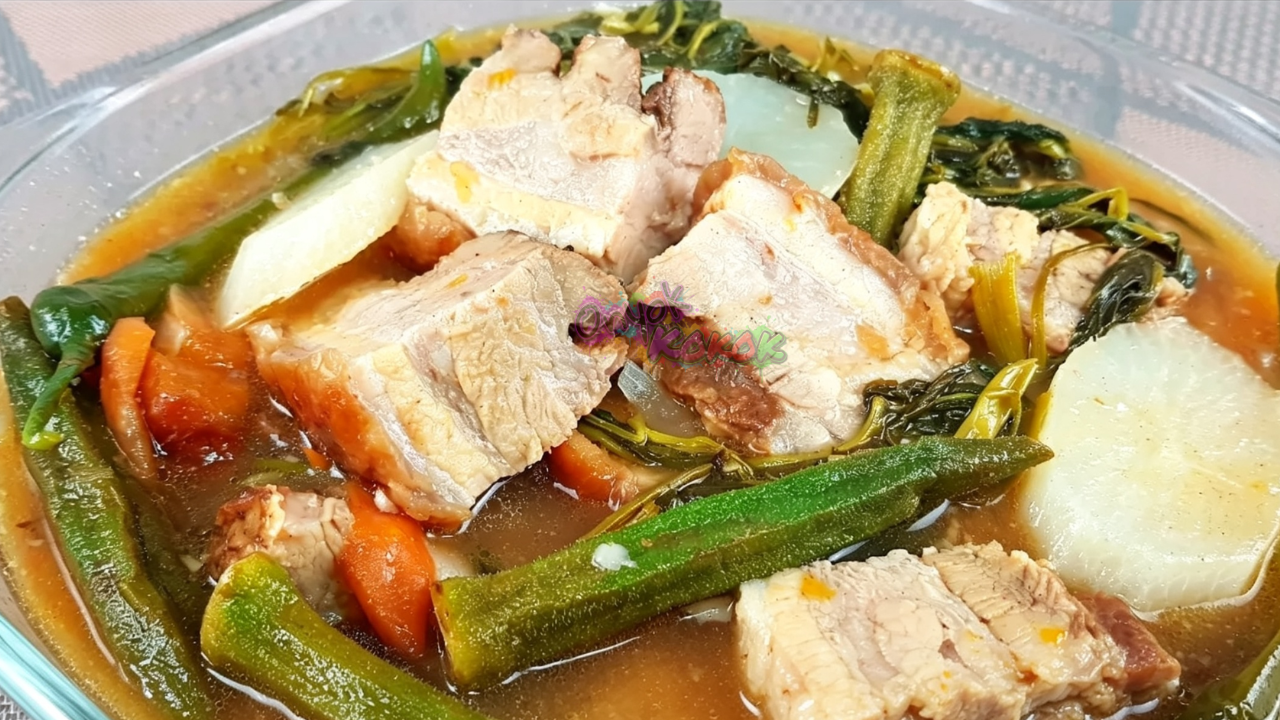
Sinigang na Pork Lechon Recipe (Sinigang na Lechon)
Sinigang na Pork Lechon Recipe – A Delicious Way to Enjoy Leftover Lechon
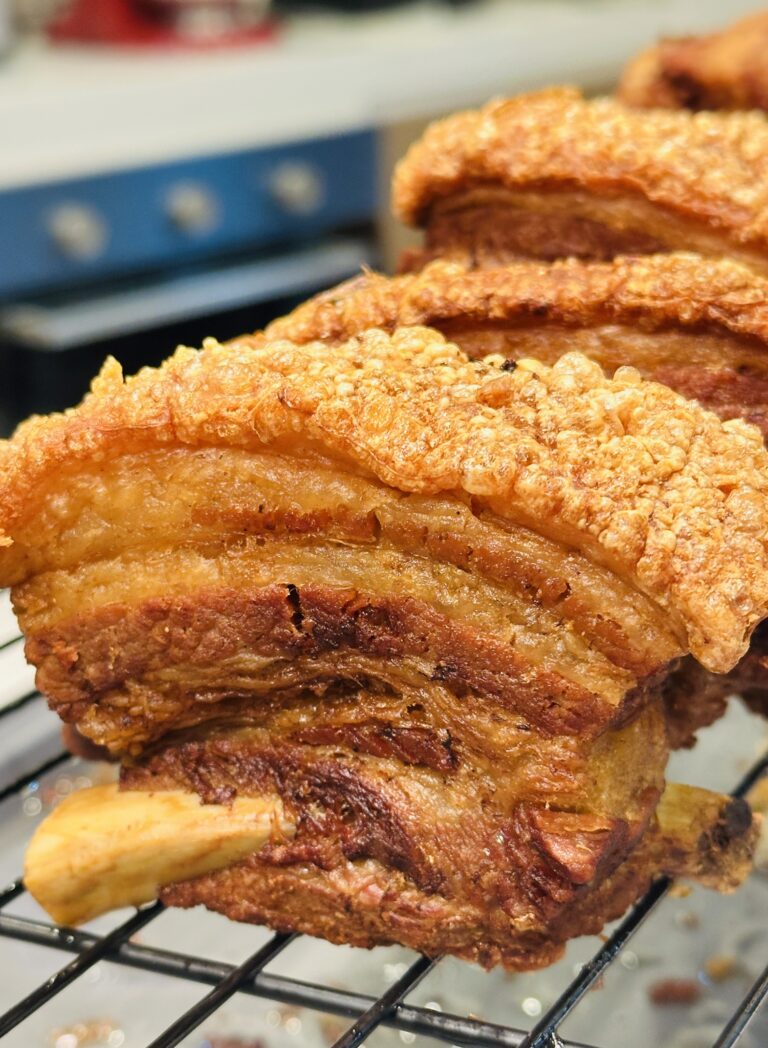
When there are leftover lechon after a celebration, most Filipinos immediately think of making lechon paksiw. While lechon paksiw is undeniably delicious, there is another equally satisfying way to transform leftover roasted pork into a comforting family meal – Sinigang na Pork Lechon.
Sinigang is one of the most beloved Filipino dishes known for its signature sour and savory broth. Traditionally made with pork, beef, fish, or shrimp, sinigang is a staple in many Filipino households because of its refreshing taste and comforting warmth. By using leftover lechon instead of fresh pork, you get an extra layer of flavor from the roasted meat and crispy skin, making the dish richer and more aromatic.
One of the best things about this recipe is that it helps reduce food waste. Instead of reheating leftover lechon the same way, turning it into sinigang gives it a completely different flavor profile. The tangy tamarind-based broth balances the richness of the roasted pork, resulting in a hearty dish that pairs perfectly with steaming hot rice.
This recipe is simple, budget-friendly, and perfect for the day after a fiesta, birthday celebration, holiday gathering, or any occasion where lechon is served. The vegetables add freshness and nutrition, while the sinigang mix provides that classic sourness that Filipinos love.
Whether you’re looking for a new way to enjoy leftover lechon or simply craving a comforting bowl of soup, this Sinigang na Pork Lechon recipe is definitely worth trying.
Tips for Making the Best Sinigang na Pork Lechon
- Since the lechon is already fully cooked and tender, avoid overcooking it. Boiling it for about 10 minutes is enough to allow the flavors to blend into the broth.
- Add the kangkong last because it cooks very quickly.
- Adjust the amount of sinigang mix according to your preferred level of sourness.
- Fish sauce brands vary in saltiness, so add patis gradually and taste as you go.
- If your leftover lechon includes crispy skin, add it near the end of cooking to retain some texture.
- You can add other vegetables such as eggplant, sitaw (string beans), or gabi (taro) if desired.
- Serve immediately while hot for the best flavor and texture.
Sinigang na Pork Lechon Recipe (Sinigang na Lechon)
Ingredients
- 750 grams or about 1.6 lbs leftover pork lechon
- 7 cups water
- 2 large tomatoes wedged
- 1 medium red onion wedged
- 1 bunch kangkong water spinach
- 8 to 12 pieces okra
- 3 pieces siling haba long green chilies
- Few slices white radish optional
- 1 sachet 44 grams Original Knorr Sinigang Mix
- 1½ teaspoons fish sauce patis
- 1 teaspoon table salt
Instructions
- Add water to a pot and bring it to a boil.
- Once boiling, add the onion and tomatoes. Cook until the tomatoes become soft and start releasing their juices into the broth.
- Add the leftover pork lechon and simmer for about 10 minutes. Since the lechon is already cooked and tender, there is no need for prolonged cooking.
- Add the okra, white radish, and siling haba. Cook for about 3 minutes.
- Add the kangkong and cover the pot. Let it cook for 1 minute.
- Stir in the Knorr Sinigang Mix. Adjust according to your preferred level of sourness.
- Season with salt and fish sauce. Taste and adjust the seasoning if necessary.
- Continue cooking until all vegetables are tender.
- Serve hot with steamed white rice.
Storage Instructions
Refrigerator
Store leftover Sinigang na Pork Lechon in an airtight container and refrigerate for up to 3 days.
Freezer
You may freeze the soup for up to 2 months. However, vegetables may become softer after thawing. For best results, freeze only the broth and lechon, then add fresh vegetables when reheating.
Reheating
Reheat on the stovetop over medium heat until thoroughly heated. Add a little water if the broth has reduced during storage.
Frequently Asked Questions
Q: Can I use freshly cooked pork instead of leftover lechon?
A: Yes. You can use boiled pork belly, pork ribs, or pork shoulder. However, lechon provides a unique roasted flavor that makes this version extra delicious.
Q: Why is my sinigang too salty?
A: Different fish sauce brands vary in saltiness. Add fish sauce gradually and always taste before adding more.
Q: Can I make this recipe more sour?
A: Absolutely. You can add more sinigang mix or fresh tamarind according to your preference.
Q: What vegetables can I add?
A: Common additions include eggplant, sitaw, gabi, pechay, and mustard leaves.
Q: Can I use frozen leftover lechon?
A: Yes. Thaw it completely before cooking for the best texture and flavor.
Q: Can I make this recipe spicy?
A: Yes. Add more siling haba or include bird’s eye chilies (siling labuyo) for extra heat.
Q: Is Sinigang na Pork Lechon better than Lechon Paksiw?
A: Both are delicious in their own way. Sinigang offers a lighter and tangy flavor, while lechon paksiw is sweeter and richer.
Q: What rice pairs best with this dish?
A: Freshly steamed white rice is the traditional and best accompaniment for Sinigang na Pork Lechon.
Watch cooking video here:
Final Note
If you’re looking for a delicious alternative to the usual lechon paksiw, this Sinigang na Pork Lechon Recipe is a fantastic option. The combination of tender roasted pork, fresh vegetables, and tangy tamarind broth creates a comforting meal that is both flavorful and satisfying. It’s an excellent way to give leftover lechon a new life while enjoying one of the Philippines’ most beloved soup dishes. Serve it hot with plenty of rice and enjoy every spoonful with family and friends.