Ultimate Pork Chicharon Recipe – Crispy Homemade Chicharon Baboy
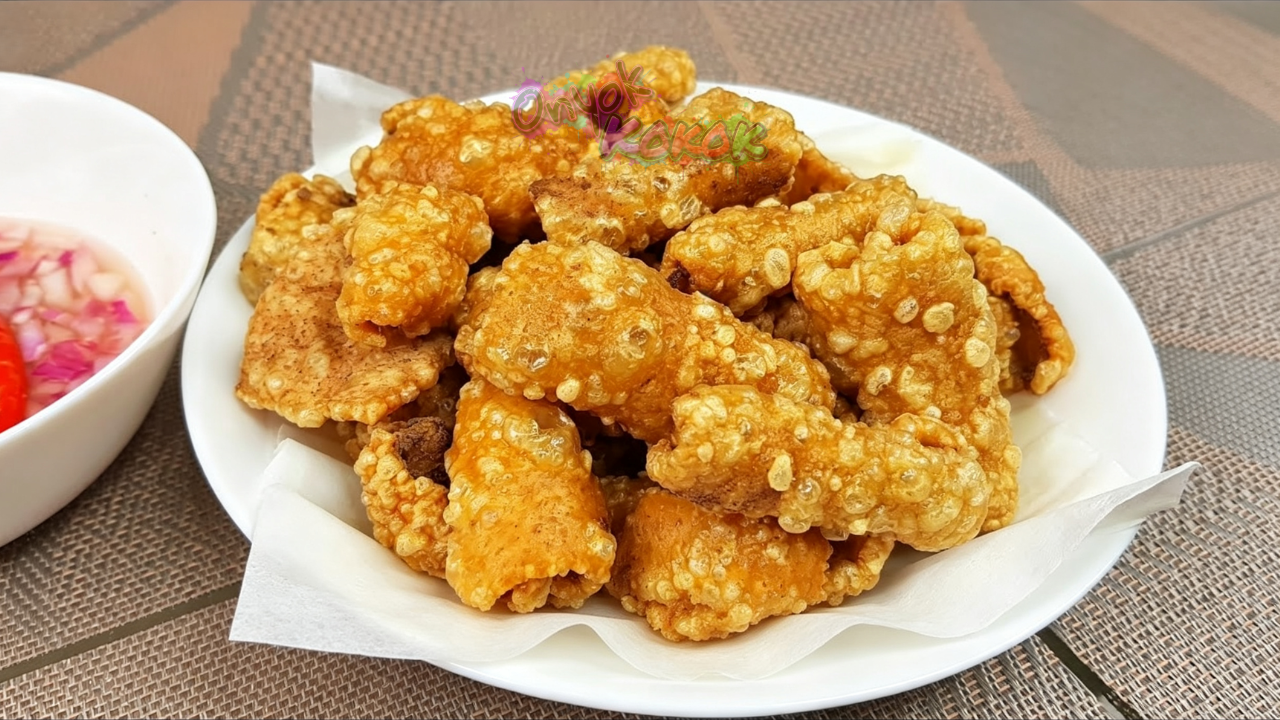
This Pork Chicharon Recipe is a simple way to make crispy homemade chicharon baboy using a few ingredients.
If you’re looking for a simple way to make crispy pork chicharon at home, this pork chicharon recipe is worth trying. Chicharon baboy is one of the most popular Filipino snacks and pulutan, loved for its crunchy texture and rich pork flavor. Whether enjoyed on its own, dipped in spiced vinegar, or used as a topping for dishes like monggo and palabok, chicharon has long been a favorite in many Filipino households.
Traditionally, making chicharon can take several steps, including boiling, drying, and deep-frying. However, this homemade version uses a simpler method that slowly cooks the pork skin until it becomes dry and ready for a second fry. The result is a light, crispy, and crunchy chicharon that is perfect for snacking.
One of the best things about making chicharon at home is that you can control the quality of the ingredients and the level of crispiness you prefer. Unlike store-bought versions, homemade chicharon is freshly cooked and can be enjoyed while still warm and extra crunchy. The aroma alone while frying is enough to make anyone excited for the first bite.
For this recipe, I used pure pork skin because that was all I could find at the time. Ideally, pork skin with fat attached works even better because the natural fat helps with flavor and crispiness. Since my pork skin had very little fat, I added a small amount of cooking oil during the first cooking stage to help the process.
Another advantage of making your own chicharon is that you can season it according to your taste. Some people prefer it lightly salted, while others enjoy adding black pepper, cayenne pepper, garlic powder, or other seasonings for extra flavor. Once you learn the basic technique, you can easily customize it to suit your preference.
Properly cooked chicharon should be light, airy, and crispy rather than hard and chewy. The key is allowing the pork skin to dry sufficiently before the final frying stage. This helps the skin puff up beautifully and develop the signature crunch that makes chicharon so irresistible.
Homemade pork chicharon is also surprisingly versatile. Aside from being a delicious snack, it can be crushed and sprinkled over noodle dishes, salads, and soups for added texture. Many Filipinos also enjoy pairing it with warm rice and a spicy vinegar dip for a simple yet satisfying meal.
If you are preparing food for a gathering, homemade chicharon is always a crowd favorite. It is affordable, easy to share, and often disappears quickly once served. Guests will appreciate the freshness and flavor that homemade chicharon offers compared to packaged alternatives.
Whether you’re making chicharon for merienda, pulutan, movie nights, or special occasions, this recipe provides a simple and practical way to enjoy one of the Philippines’ most beloved crispy snacks. With just a few ingredients and a little patience, you’ll be rewarded with crunchy, flavorful chicharon that’s perfect for sharing with family and friends.
Serve this crispy pork chicharon with your favorite spiced vinegar, and you’ll have a delicious homemade snack that rivals store-bought versions. Once you try making it yourself, you may never want to go back to buying ready-made chicharon again.
Tips for Making the Best Pork Chicharon
- Choose Pork Skin with Some Fat
- If possible, buy pork skin with a fat attached. The fat helps improve flavor and can contribute to a better texture when the chicharon expands during frying.
- Keep Stirring During the First Cooking Stage
- Continuous stirring prevents the pork skin from sticking together and helps it cook evenly.
- Lower the Heat When Browning Starts
- Once the pork skin starts producing popping sounds and begins to brown, reduce the heat to avoid burning.
- Let It Cool Completely
- Cooling the pork skin before the second frying is important. Many home cooks even leave it overnight for better results.
- Reuse the Same Oil.
- You can use the oil from the first cooking stage for the second frying, provided it remains clean and free from burnt particles.
Pork Chicharon Recipe | Crispy Homemade Chicharon Baboy
Ingredients
- 1 kg pork skin (washed with water) or 1.5 kg if skin with fat which is a better option
- 1 tbsp table salt
- 1/2 tbsp ground black pepper
- 1/2 tsp cayenne pepper optional
- 1/4 cup water
- 2 tbsp cooking oil optional, only if the pork skin has very little to no fat
Instructions
- Place the sliced pork skin in a large bowl or planggana. Add the salt, ground black pepper, and cayenne pepper. Mix thoroughly using your hands until the seasonings are evenly distributed. Marinate for 1 hour.
- Heat a wide pan over medium heat. Add the marinated pork skin and pour in the water. Stir continuously to prevent the pieces from sticking together.
- After about 5 minutes, add the cooking oil if you are using pork skin with little or no fat. If your pork skin already contains enough fat, you may skip the oil. Continue stirring regularly. Some sticking is normal, but do not stop mixing.
- After approximately 45 minutes, you will start hearing popping sounds as the skin begins to brown. Reduce the heat to low.
- Continue cooking until the pork skin becomes firmer and produces a hard sound when stirred.
- To check if it is ready, tap a piece using a spoon or sandok. If it produces a hollow “toktok” sound, it is ready.
- Transfer the pork skin to a bowl and separate it from the oil. Allow it to cool completely. For best results, let it rest overnight before the second frying.
- Using the same oil, heat the pan once again.
- Add the cooled pork skin and fry until it expands and becomes lighter in color. The skin will puff up and become crispy.
- Remove from the oil and drain excess oil.
- Allow to cool slightly before serving with spiced vinegar.
Storage Tips
Refrigerator
The pre-cooked pork skin from the first cooking stage can be stored in an airtight container in the refrigerator for up to 5 days.
Freezer
For longer storage, freeze the pre-cooked pork skin in freezer-safe containers or freezer bags for up to 3 months.
Cooked Chicharon
Fully cooked chicharon is best consumed within the day.
Frequently Asked Questions
Q: Why didn’t my chicharon puff up during the second frying?
A: This usually happens when the pork skin was not cooked long enough during the first stage or still contains too much moisture.
Q: Can I use pure pork skin without fat?
A: Yes. This recipe was made using pure pork skin. However, pork skin with a little fat often gives better flavor and texture.
Q: Is cayenne pepper necessary?
A: No. Cayenne pepper is optional and only adds a mild spicy kick.
Q: Why should I cool the pork skin before frying again?
A: Cooling helps reduce moisture and improves the expansion of the chicharon during the second frying.
Q: Can I fry it the next day?
A: Yes. In fact, many people get better results by allowing the pork skin to rest overnight before the second fry.
Q: What is the best dipping sauce for pork chicharon?
A: Spiced vinegar with garlic and chili peppers is the most popular dipping sauce for chicharon baboy.
Q: Can I use chicharon as an ingredient in other dishes?
A: Absolutely. Chicharon is commonly added to monggo, palabok, lugaw, pancit, and other Filipino dishes for extra crunch and flavor.
Q: Can I freeze cooked chicharon?
A: While possible, it is better to freeze the pre-cooked pork skin before the second frying. This helps maintain the best texture when cooked later.
Q: What makes this Pork Chicharon Recipe different from other methods?
A: This Pork Chicharon Recipe uses a two-stage cooking process that helps create a crispy and crunchy texture without requiring special equipment.
Watch cooking video here:
For more recipe videos, visit our YouTube channel, Onyok Kokok, by clicking the link below.
https://www.youtube.com/@onyokkokok8538
Discover more step-by-step written recipes by clicking the link below.
Filipino Recipes & Cooking – Welcome to onyokrecipes.com
Final Note
This Pork Chicharon Recipe proves that making homemade chicharon baboy is easier than many people think. Making homemade pork chicharon may require patience, but the results are definitely worth it. With just a few ingredients and a simple two-stage cooking process, you can create crispy, crunchy, and flavorful chicharon baboy right in your own kitchen.
Whether you’re preparing it as a snack, pulutan, or a crunchy topping for your favorite Filipino dishes, this Pork Chicharon Recipe delivers authentic homemade flavor without complicated equipment. Pair it with spicy vinegar and enjoy every crispy bite.