
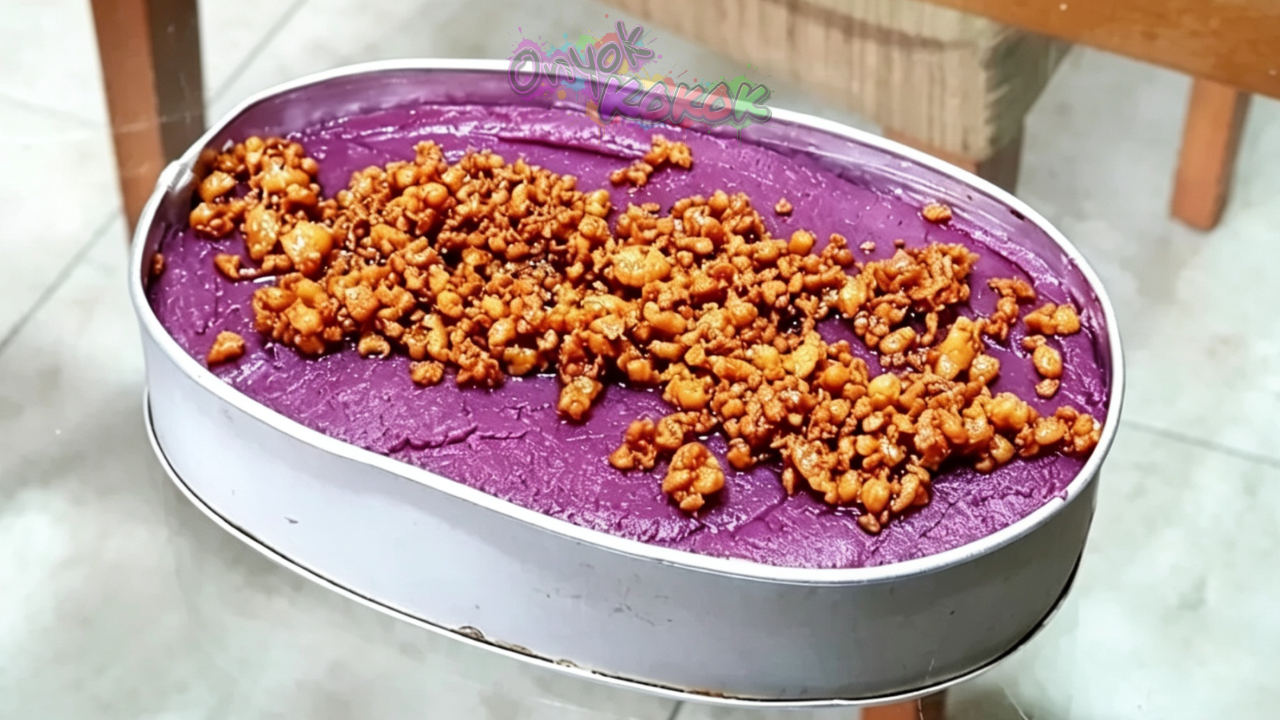
Easy Kamoteng Ube Halaya Recipe You’ll Absolutely Love
Kamoteng Ube Halaya Recipe
This Kamoteng Ube Halaya Recipe is a delicious and creamy Filipino dessert that offers a practical alternative to the traditional ube halaya. While authentic ube halaya is made using real purple yam (ube), this version uses purple sweet potato (kamoteng ube), making it more affordable and easier to prepare in places where fresh ube is difficult to find.
Ube halaya has long been one of the Philippines’ most treasured kakanin desserts. It is commonly served during Christmas, fiestas, birthdays, and family gatherings. Its smooth texture, rich dairy flavor, and beautiful purple color make it a favorite among Filipinos of all ages. Traditionally, preparing ube halaya required hours of grating fresh ube and continuously stirring it over the stove until thick and glossy.
Fortunately, purple sweet potato has become an excellent substitute. Although it has a slightly sweeter taste and milder earthy flavor than real ube, it still produces a wonderfully creamy halaya that closely resembles the original. Best of all, you can follow exactly the same cooking method whether you use purple sweet potato or authentic purple yam.
This Kamoteng Ube Halaya Recipe is perfect for merienda, dessert, holiday celebrations, potlucks, or even as a product for a small food business. It requires only a handful of ingredients but delivers rich flavor and a beautifully smooth consistency.
Whether you’re craving homemade halaya or looking for an easy Filipino dessert to impress your family, this recipe is one you’ll want to make again and again.
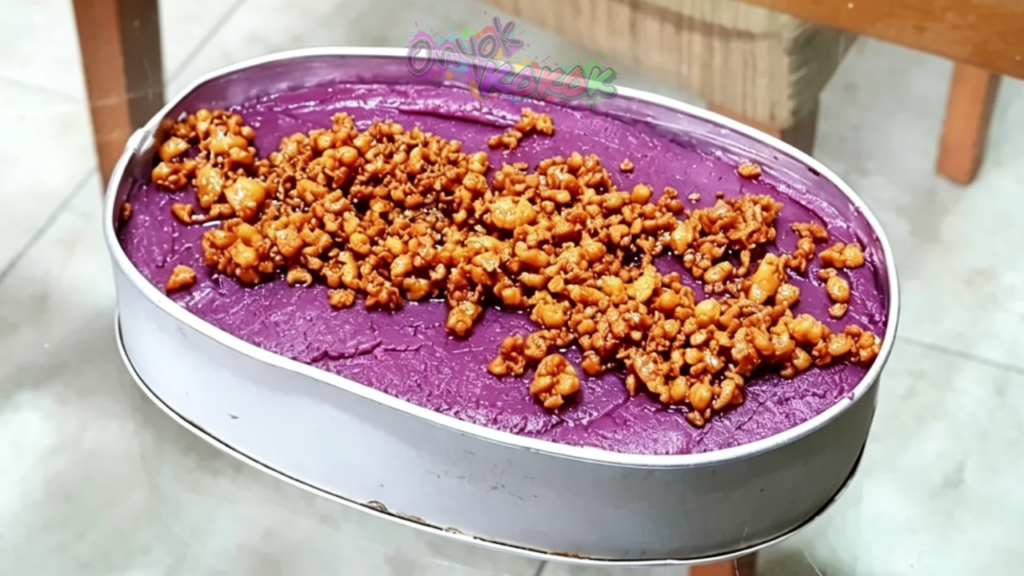
7 Tips for Perfect Kamoteng Ube Halaya Recipe
1. Boil Until Very Tender
Cook the purple sweet potato or real ube until it is completely fork-tender. Soft root crops are much easier to grate and produce a smoother halaya.
2. Grate While Slightly Warm
Once cool enough to handle, grate the kamote or ube while it’s still slightly warm for a finer texture.
3. Cook Over Low Heat
Always use low heat. High heat can scorch the milk and create an unpleasant burnt taste.
4. Stir Continuously
Constant stirring is the secret to silky, lump-free halaya. It also prevents sticking to the bottom of the pan.
5. Add Butter at the End
Butter helps create a glossy finish while making the halaya firmer and richer.
6. Balance the Sweetness
If you prefer a less sweet dessert, simply reduce the amount of condensed milk without affecting the texture too much.
7. Add a Pinch of Salt
A tiny pinch of salt enhances the creamy flavor and balances the sweetness beautifully.
Kamoteng Ube Halaya Recipe
Ingredients
- ½ kg kamoteng ube purple sweet potato or real purple yam (ube)
- 1 cup evaporated milk
- ½ cup condensed milk
- ½ cup powdered milk or coffee mate
- 2 tbsp butter
Optional Toppings
- Latik
- Grated cheese
- Extra butter
Instructions
- Wash the purple sweet potato or real ube thoroughly.
- Place it in a pot and cover with water.
- Boil until completely soft and fork-tender.
- Drain the water and allow it to cool slightly.
- Peel off the skin.
- Grate the cooked kamote or ube until smooth.
- In a large bowl, combine the grated kamote, evaporated milk, condensed milk, and powdered milk.
- Mix until evenly combined.
- Transfer the mixture into a non-stick pan.
- Cook over low heat while stirring continuously.
- Continue stirring until the mixture thickens.
- Once the mixture starts pulling away from the sides of the pan, add the butter.
- Keep stirring until the halaya becomes smooth, shiny, and no longer sticks to the pan.
- Transfer into serving containers or molds.
- Top with latik, grated cheese, or butter if desired.
- Let cool completely before serving.
- Chill before serving for an even firmer texture.
Storage
Store your Kamoteng Ube Halaya Recipe in an airtight container to prevent it from drying out or absorbing odors from other foods.
Refrigerator
- Best consumed within 5-7 days
- The texture remains creamy during the first few days.
- It may become firmer over time because of the starch and dairy ingredients.
Freezer
Yes, you can freeze it.
- Freeze for up to 1-2 months.
- Use freezer-safe containers with tight-fitting lids.
- Thaw overnight in the refrigerator before serving.
- Freezing may slightly change the texture, making it a bit grainy, but it will still taste delicious. You can gently reheat and stir it to restore some of its creaminess.
Frequently Asked Questions
Can I use real ube instead of purple sweet potato?
Yes. This recipe works perfectly with authentic purple yam. The flavor will be more earthy and traditional.
Is powdered milk required?
No. However, powdered milk makes the halaya richer, creamier, and more flavorful.
Why is my halaya too soft?
It simply needs more cooking time. Continue stirring over low heat until it thickens and pulls away from the pan.
Why is my halaya lumpy?
The kamote or ube may not have been grated finely enough. Make sure it is fully cooked before grating or mashing.
Can I reduce the sugar?
Yes. You can reduce the condensed milk if you prefer a less sweet dessert.
Can I freeze Kamoteng Ube Halaya?
Absolutely. Freeze it for up to 2 months in airtight containers.
Can I add cheese?
Yes. Grated cheese makes an excellent topping and pairs wonderfully with the creamy halaya.
Can I use fresh milk instead of evaporated milk?
Evaporated milk is recommended because it provides a richer flavor and thicker consistency. Fresh milk may produce a thinner halaya.
Why does my halaya stick to the pan?
The heat may be too high, or the mixture was not stirred continuously. Always cook over low heat while stirring.
Is this good for selling?
Definitely. Kamoteng Ube Halaya is a popular Filipino dessert that can be packaged in plastic tubs or containers for small business or pasalubong sales.
Kamoteng Ube Halaya Recipe Video:
For more recipe videos, visit our YouTube channel, Onyok Kokok, by clicking the link below.
https://www.youtube.com/@onyokkokok8538
Discover more step-by-step written recipes by clicking the link below.
Filipino Recipes & Cooking – Onyok Kokok Kitchen
Final Note
This Kamoteng Ube Halaya Recipe proves that you don’t always need authentic purple yam to enjoy one of the Philippines’ most beloved desserts. Purple sweet potato provides a practical and delicious alternative while still delivering a creamy, rich, and satisfying halaya that everyone will love.
Whether you’re preparing it for your family, bringing it to a celebration, or planning to sell homemade kakanin, this recipe is easy to follow and consistently produces excellent results. Once you’ve mastered the basic version, you can customize it with toppings like latik, grated cheese, or extra butter to make it even more special.
Serve it chilled, share it with loved ones, and enjoy a classic Filipino favorite made right in your own kitchen.


One Comment