Easy Special Bibingkang Kanin Recipe
Special Bibingkang Kanin Recipe
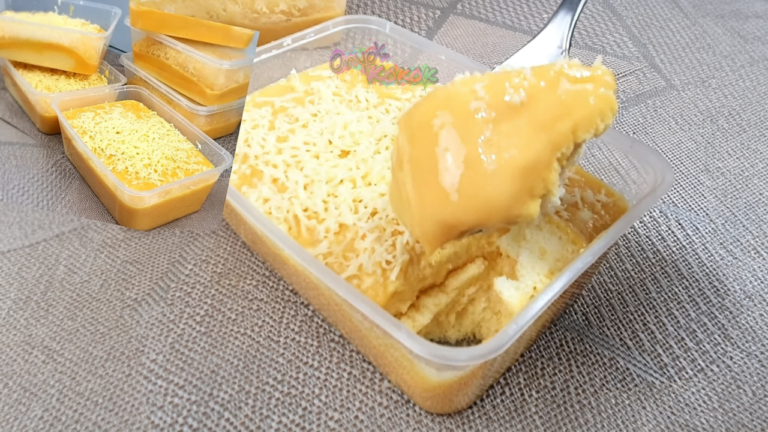
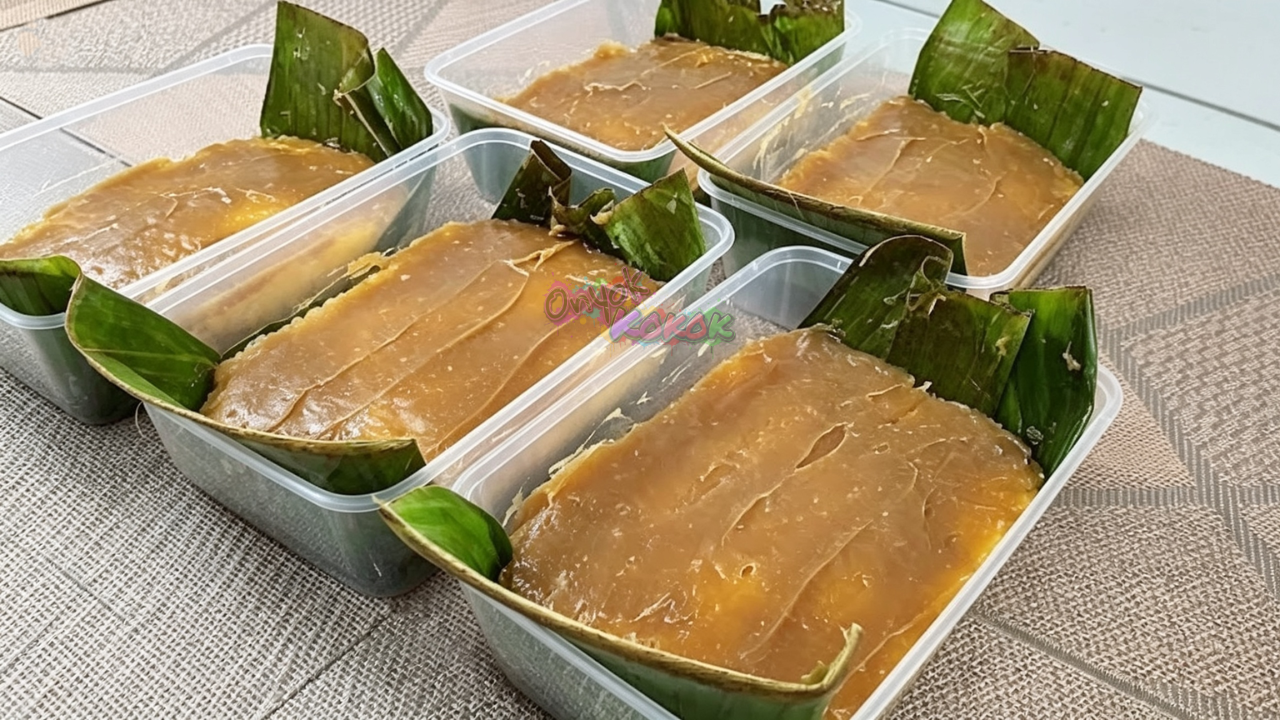
Special Bibingkang Kanin Recipe is a rich and satisfying Filipino rice cake made with glutinous rice, creamy coconut milk, sweet ripe langka (jackfruit), and finished with a thick, caramel-like coconut cream topping. Unlike the classic bibingka that is baked, this version is cooked on the stovetop until thick and chewy, then served in individual tubs lined with banana leaves for extra aroma and authentic presentation.
What makes this Special Bibingkang Kanin Recipe stand out is the generous amount of sweetened langka mixed into the sticky rice. The fruity aroma perfectly complements the creamy coconut flavor, while the thick coconut cream topping adds another layer of richness that tastes similar to bukayo. Every bite is soft, chewy, creamy, fragrant, and loaded with authentic Filipino flavors.
This dessert is commonly served during fiestas, birthdays, holidays, family gatherings, and even as a negosyo item because it stores well under refrigeration and is easy to package in individual containers. Using banana leaves also enhances the overall aroma and gives the rice cake its traditional Filipino appeal.
If you’re looking for an easy yet impressive kakanin recipe, this Special Bibingkang Kanin Recipe is worth trying. The ingredients are simple, the cooking process is straightforward, and the result is a delicious homemade rice cake that everyone will enjoy.
8 Tips for the Best Special Bibingkang Kanin Recipe
- Wash the glutinous rice a few times to remove impurities before cooking. Avoid over-washing, as some of the natural starch helps create the chewy texture that bibingkang kanin is known for.
- Allow the cooked rice to cool completely before mixing it into the coconut mixture. This helps prevent the rice from becoming mushy.
- Use fresh ripe langka for the best natural sweetness and aroma.
- Cook the langka slowly over low heat so it absorbs the sugar syrup completely.
- Keep stirring the coconut milk while cooking to prevent scorching.
- Heat the banana leaves briefly over the stove to make them flexible and prevent tearing.
- Cook the topping until your preferred consistency. A thicker topping gives a richer bukayo-like flavor, while a slightly thinner topping spreads more easily.
- Pour the topping while it’s still hot so it spreads smoothly over the rice cake.
Delicious Special Bibingkang Kanin Recipe
Ingredients
For the Rice
- 2½ cups glutinous rice 500 g
- 3 cups water
- 2 cups coconut milk 500 g or approximately 500 ml
- ½ cup white sugar
- ½ teaspoon salt
For the Sweetened Langka
- 2 cups fresh ripe langka jackfruit
- 1½ cups water
- ½ cup white sugar
Note: If using already sweetened langka, simply use 1 cup and skip this cooking step.
For the Coconut Cream Topping
- 2 cups coconut cream kakang gata
- ½ cup dark brown sugar or muscovado sugar
- ½ teaspoon salt
Others
- Banana leaves
- 5 plastic tubs or containers
Instructions
Cook the Glutinous Rice
- Wash the glutinous rice several times until the water becomes mostly clear.
- Add the rice and water into a rice cooker or pot and cook just like regular rice.
- Once fully cooked, fluff gently using a spatula and allow it to cool completely.
Prepare the Sweetened Langka
- Place the fresh langka, sugar, and water into a pot.
- Mix until the sugar dissolves.
- Cook over high heat until boiling.
- Reduce the heat to low, cover, and continue cooking for about 45 minutes or until the langka becomes soft.
- Remove from heat.
- Using kitchen scissors, cut the cooked langka into smaller bite-sized pieces.
- Set aside.
Cook the Rice Cake
- Pour the coconut milk into a wide nonstick pan.
- Cook over medium heat while stirring continuously.
- Once the coconut milk begins forming small curds, add the white sugar.
- Continue stirring until the sugar dissolves.
- Add the sweetened langka.
- Bring the mixture to a gentle boil.
- Add the salt.
- Mix well.
- Add the cooled cooked glutinous rice.
- Continue stirring continuously until the mixture becomes thick.
- The rice cake is ready once it becomes very sticky and lifts together with the spatula without immediately falling back into the pan.
Prepare the Containers
- Briefly heat the banana leaves over an open flame or stovetop until they become soft and pliable.
- Line each container with banana leaves.
- Divide the rice cake evenly among the containers, approximately 385 grams each.
- Flatten the surface using a spatula.
Prepare the Coconut Cream Topping
- Pour the coconut cream into a saucepan.
- Cook over medium heat while stirring continuously.
- Once boiling, reduce the heat to low.
- Add the muscovado or dark brown sugar.
- Add the salt.
- Continue stirring until the sugar dissolves and the mixture thickens.
- As the topping cooks longer, it becomes darker, thicker, and develops a richer caramelized coconut flavor similar to “Bukayo”.
- If you prefer a pourable topping, stop cooking earlier. For a richer, thicker topping, continue cooking until your desired consistency is reached.
Assemble
- While the topping is still hot, pour it over each rice cake.
- Spread evenly using a spatula.
- Allow the topping to settle slightly before serving.
- Enjoy your homemade Special Bibingkang Kanin Recipe.
Other Ways of Cooking
This recipe is not recommended for baking or using an air fryer. The rice cake develops its signature chewy texture through continuous stovetop cooking, while the coconut topping also needs to be cooked separately until thick. Baking or air frying will not produce the same traditional texture and consistency.
Storage
Store the Special Bibingkang Kanin Recipe in an airtight container or keep it in its covered tubs in the refrigerator for up to 4 days.
Serve chilled, or let it sit at room temperature for about 15 to 20 minutes before serving if you prefer a softer texture.
Freezing is not recommended, as it may affect the texture of the glutinous rice and coconut topping after thawing.
Frequently Asked Questions
Q: Can I use canned jackfruit instead of fresh langka?
A: Yes. If using canned sweetened jackfruit, simply use about 1 cup and skip the sweetening step.
Q: Can I use coconut cream instead of coconut milk for the rice cake?
A: Coconut milk is recommended for the rice cake because it provides the proper balance of richness and moisture. Coconut cream is best reserved for the topping.
Q: Why do I need to keep stirring the rice cake?
A: Continuous stirring prevents the coconut milk from scorching and helps achieve the thick, sticky consistency.
Q: Why should I heat the banana leaves?
A: Heating makes the banana leaves flexible, making them easier to fold and less likely to tear.
Q: Can I make this ahead of time?
A: Yes. In fact, many people find that the flavors become even better after chilling for several hours.
Q: Can I reduce the sugar?
A: Yes. You may reduce the sugar slightly, although doing so will also lessen the sweetness of both the rice cake and the topping.
Q: Can I use fresh or frozen grated coconut instead of canned coconut milk and coconut cream?
A: Yes. Freshly grated coconut or frozen grated coconut can both be used. If using frozen grated coconut, thaw it completely first. Then extract the kakang gata (first extraction) for the topping and the coconut milk (second extraction) for the rice cake. Freshly extracted coconut milk and coconut cream give the bibingkang kanin a richer, more fragrant, and more authentic flavor than most canned products.
Special Bibingkang Kanin Recipe Video
For more recipe videos, visit our YouTube channel, Onyok Kokok, by clicking the link below.
https://www.youtube.com/@onyokkokok8538
Discover more step-by-step written recipes by clicking the link below.
Filipino Recipes & Cooking – Welcome to Onyok Kokok Kitchen
Final Note
This Bibingkang Kanin Recipe is one of those classic Filipino kakanin that never goes out of style. The combination of chewy glutinous rice, fragrant sweet langka, creamy coconut milk, and the rich muscovado coconut topping creates an unforgettable dessert that’s perfect for sharing with family and friends.
The thick coconut topping is what truly makes this recipe “special.” As it cooks longer, it develops a deep caramelized coconut flavor reminiscent of homemade bukayo, making every bite extra rich and satisfying. Combined with the aroma of banana leaves and the sweetness of ripe langka, this rice cake delivers authentic Filipino flavors that are both comforting and festive.
Whether you’re preparing it for special occasions, selling it in tubs as a negosyo, or simply satisfying your craving for traditional kakanin, this Bibingkang Kanin Recipe is sure to become a favorite. Take your time during the cooking process, stir patiently, and you’ll be rewarded with a beautifully thick, creamy, and delicious homemade rice cake that’s worth every minute.