Homemade Traditional Puto Bumbong (Galapong) – Easy Filipino Christmas Delicacy
Homemade Traditional Puto Bumbong – Traditional Galapong Recipe
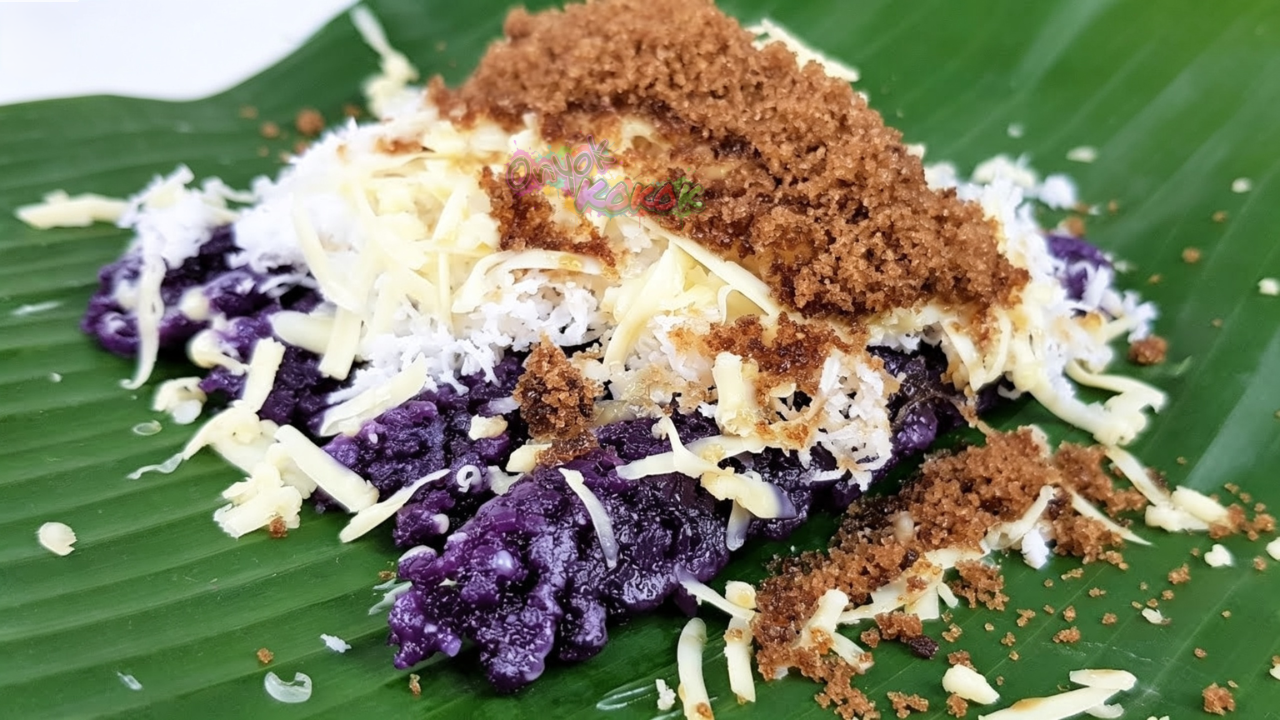
Homemade Traditional Puto Bumbong is one of the most iconic Filipino Christmas delicacies. This Homemade Traditional Puto Bumbong recipe lets you recreate the authentic taste at home even without Pirurutong rice or traditional bamboo tubes. Traditionally sold outside churches after Simbang Gabi, this soft, chewy, and aromatic rice cake is famous for its vibrant purple color, generous toppings of butter, freshly grated coconut, muscovado sugar, and sometimes cheese.
Many people think that the purple color comes from ube or food coloring alone, but authentic Traditional Puto Bumbong gets its natural violet color from Pirurutong, a rare heirloom variety of sticky rice native to the Philippines. Pirurutong has a naturally deep purple grain that becomes even more vibrant once cooked.
Unfortunately, Pirurutong is difficult to find in many places today. That’s why this homemade version uses a combination of glutinous rice and ordinary rice, with a small amount of violet food coloring to recreate the classic appearance while maintaining the familiar chewy texture of authentic puto bumbong.
Another common misconception is that you absolutely need bamboo tubes (bumbungan) to make puto bumbong. While traditional vendors steam the rice inside bamboo tubes, you can easily recreate the same delicious results at home using banana leaves or aluminum foil as wrappers. The texture remains soft, moist, and delicious without requiring any special equipment.
The secret to achieving soft and moist puto bumbong lies in making a proper galapong. The rice should be soaked long enough until it softens, blended with just enough water, lightly squeezed, and grated instead of over-drying it. Keeping enough moisture in the galapong gives the finished puto bumbong its signature tender and slightly sticky texture.
Whether you’re craving a nostalgic Christmas merienda or simply want to experience making this classic Filipino delicacy from scratch, this recipe is surprisingly simple and produces authentic homemade puto bumbong that the whole family will enjoy all year round.
The History of Traditional Puto Bumbong
Homemade Traditional Puto Bumbong has long been associated with the Filipino Christmas season. For generations, vendors have sold freshly steamed Traditional Puto Bumbong outside churches after the early morning Simbang Gabi masses. Families would gather after worship to enjoy warm puto bumbong topped with butter, freshly grated coconut, and muscovado sugar, making it one of the country’s most cherished holiday traditions.
The name puto bumbong comes from the word bumbong, which refers to the bamboo tubes traditionally used to steam the galapong. The rice mixture is packed inside these bamboo tubes before being steamed over a special cooker. Once cooked, the soft rice cake is pushed out using a thin stick and immediately served while still hot. Although this recipe uses banana leaves or aluminum foil instead of bamboo, you’ll still achieve the soft, chewy texture that makes Homemade Traditional Puto Bumbong so enjoyable.
10 Tips for the Best Homemade Traditional Puto Bumbong
1. Soak the rice long enough
After about 4 hours, the rice should already be soft enough that you can slightly crush it between your fingers.
2. Use both glutinous and ordinary rice
The combination creates the perfect balance of chewiness and softness.
3. Don’t overblend
The rice should be slightly smooth but not completely pureed.
4. Don’t over-squeeze the galapong
Leave some moisture behind. The mixture should still feel damp and slightly crumbly.
5. Adjust the violet food coloring
Different brands vary in strength, so add gradually until you achieve your desired shade.
6. Heat the banana leaves first
Passing them briefly over the stove flame makes them flexible and prevents tearing.
7. Brush the wrappers with butter
This prevents sticking and adds extra aroma.
8. Don’t pack the galapong tightly
Leave a little room inside the wrapper so the rice can expand while steaming.
9. Place the opening facing downward
This prevents condensed steam from entering the wrapper.
10. Serve immediately while warm
Freshly steamed puto bumbong tastes best with melted butter, grated coconut, and muscovado sugar.
Homemade Traditional Puto Bumbong Recipe – Authentic, Soft & Easy Galapong
Ingredients
For the Galapong
- 1 cup glutinous rice uncooked
- ½ cup ordinary rice uncooked
- 1 teaspoon violet food coloring adjust depending on brand
- Water for soaking and blending
Toppings
- Butter softened
- Fresh grated coconut
- Grated cheddar cheese optional
- Muscovado sugar
- Condensed milk optional
Wrappers
- Banana leaves
- Aluminum foil
Yield: 21–22 pieces
Instructions
Soak the rice
- Combine the glutinous rice and ordinary rice. Wash thoroughly until the water runs clear.
- Soak the rice in water for 4 hours.
Tip: The rice should become soft enough that you can slightly crush it with your fingers.
Drain
- Drain the soaked rice completely using a strainer.
Blend
- Transfer the soaked rice into a blender.
- Add enough water to fully submerge the rice.
- Blend until slightly smooth.
Add food coloring
- Add the violet food coloring.
- Blend again for a few seconds until evenly mixed.
- Adjust the amount depending on your preferred color and the brand you use.
Drain and grate
- Pour the mixture onto a clean cloth.
- Allow water to drain.
- Gently squeeze the cloth.
- Do not squeeze all the moisture out. The galapong should still feel moist but slightly crumbly.
- Grate the galapong using a food grater.
Prepare the wrappers
- If using banana leaves, briefly heat each leaf directly over the stove until flexible.
- If using aluminum foil, cut into approximately 9 x 4-inch sheets.
- Brush each wrapper with butter.
Wrap
- Place approximately 1½ tablespoons of grated galapong onto each wrapper.
- Wrap loosely. Do not compress the rice.
Steam
- Arrange the wrapped puto bumbong inside the steamer.
- Place each wrapper with its opening facing downward.
- Steam over medium-high heat for 15 minutes.
Unwrap
- Allow the puto bumbong to cool slightly until comfortable to handle.
- Carefully remove the wrappers.
Add toppings
- Spread butter generously.
- Top with: Fresh grated coconut, Muscovado sugar, Grated cheddar cheese (optional), Condensed milk (optional),
- Serve immediately while warm.
Other Ways of Cooking
Traditional puto bumbong requires steaming to achieve its characteristic soft and chewy texture.
This recipe is not recommended for baking, air frying, or microwaving because these methods will dry out the galapong and will not produce authentic puto bumbong.
Storage
Although puto bumbong is best enjoyed fresh, leftovers can still be stored.
Refrigerator
Store in an airtight container for up to 3 days.
Reheating
Steam again for about 5-8 minutes until soft and warm. Avoid microwaving for too long, as it may become tough or dry.
Frequently Asked Questions
Q: Why is traditional puto bumbong naturally purple?
A: Authentic puto bumbong is made from Pirurutong, a rare purple glutinous rice variety. Its color comes naturally from the rice – not from ube or food coloring.
Q: Can I make this without Pirurutong?
A: Yes. This recipe uses glutinous rice, ordinary rice, and violet food coloring to closely mimic the traditional appearance and texture.
Q: Is ube flavoring needed?
A: No. Traditional puto bumbong does not contain ube flavoring.
Q: Why shouldn’t I squeeze the galapong too much?
A: Removing too much moisture will make the puto bumbong dry and firm instead of soft and chewy.
Q: Can I skip the banana leaves?
A: Absolutely. Aluminum foil works very well and produces excellent results.
Q: Why should the wrapper opening face downward?
A: This prevents condensed steam from dripping into the wrapper and making the galapong soggy.
Q: Can I freeze puto bumbong?
A: Yes. Wrap each piece individually and freeze for up to 2 months. Re-steam until thoroughly heated before serving.
Q: What are the best toppings?
A: Butter, fresh grated coconut, muscovado sugar, and condensed milk are classic favorites. Grated cheddar cheese is also a delicious optional addition.
Homemade Traditional Puto Bumbong Recipe Video
For more recipe videos, visit our YouTube channel, Onyok Kokok, by clicking the link below.
https://www.youtube.com/@onyokkokok8538
Discover more step-by-step written recipes by clicking the link below.
Filipino Recipes & Cooking – Onyok Kokok Kitchen
Final Note
This Homemade Traditional Puto Bumbong recipe proves that you don’t need Pirurutong or bamboo tubes to enjoy this famous Filipino delicacy. By following this Homemade Traditional Puto Bumbong recipe, you can make soft, chewy, and delicious puto bumbong any time of the year. Whether it’s for Christmas, family gatherings, or merienda, this Homemade Traditional Puto Bumbong will surely become one of your favorite homemade kakanin recipes.