The Best Ginisang Ampalaya Recipe – Sikreto Para Hindi Pumait!
Ginisang Ampalaya Recipe – Healthy, Delicious, at Hindi Mapait
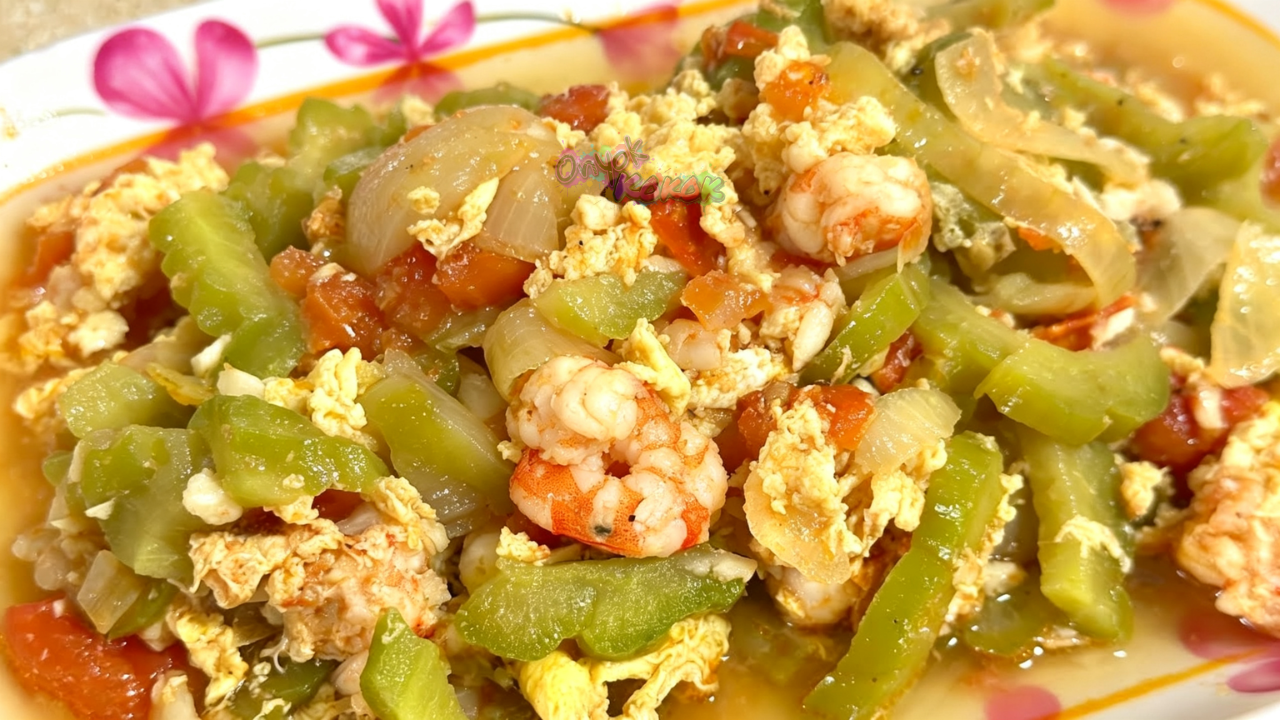
Ginisang Ampalaya Recipe is one of the healthiest and most affordable Filipino vegetable dishes that you can prepare for your family. Although ampalaya (bitter gourd) is known for its naturally bitter taste, there are simple cooking techniques that can reduce the bitterness while keeping its nutrients intact. In this recipe, you’ll learn the secret to making Ginisang Ampalaya Recipe with shrimp that’s flavorful, nutritious, and enjoyable even for those who usually avoid ampalaya.
Ampalaya has been a staple vegetable in Filipino households for generations. It is commonly cooked with eggs, ground pork, beef, or shrimp. Aside from being delicious, ampalaya is well known for its impressive health benefits. It contains vitamins A and C, iron, potassium, fiber, and antioxidants. Many people also consume it as part of a healthy diet because it may help support healthy blood sugar levels.
One common reason people dislike ampalaya is its bitterness. However, with the proper preparation and cooking method, you can significantly reduce the bitter taste without completely removing its natural flavor. In this recipe, you’ll gently press the sliced ampalaya instead of squeezing it aggressively or soaking it in too much salt. This helps lessen the bitterness while preserving its texture and nutrients.
Another secret that makes this Ginisang Ampalaya Recipe extra delicious is using shrimp shells to create a natural shrimp broth. Instead of throwing away the shells, you’ll extract their flavorful juices by pouring boiling water over them. This simple technique adds rich seafood flavor to the dish without using artificial seasonings.
Whether you’re preparing a healthy weekday lunch or a comforting family dinner, this recipe is easy to follow and uses simple ingredients commonly found in Filipino kitchens.
7 Tips for the Best Ginisang Ampalaya Recipe
1. Gently press the sliced ampalaya.
Lightly pressing removes some bitter juices while keeping the vegetable crisp and nutritious.
2. Don’t over-squeeze.
Pressing too hard removes moisture and nutrients, resulting in dry and limp ampalaya.
3. Use ripe tomatoes.
Fully ripe tomatoes create natural sweetness that balances the bitterness.
4. Save the shrimp shells.
Shrimp shells contain lots of flavor. Extracting their juice makes the dish taste richer without using shrimp cubes.
5. Add the ampalaya last.
Cooking it too early makes it softer and can intensify the bitter flavor.
6. Avoid stirring immediately.
Once you add the ampalaya, let it cook undisturbed for a few minutes before gently folding everything together. Excessive stirring may release more bitter juices.
7. Cook only until tender-crisp.
Overcooked ampalaya becomes mushy and loses its pleasant texture.
Perfect Ginisang Ampalaya Recipe with the Secret to Less Bitterness
Ingredients
- 1 large ampalaya bitter gourd, sliced and gently pressed (optional)
- 1 large bulb garlic chopped
- 1 large onion chopped
- 3 large tomatoes chopped
- 6-7 large shrimps peeled and chopped (reserve the shells)
- 1 tablespoon fish sauce add more to taste
- Ground black pepper to taste
- Pinch of salt
- Pinch of sugar
- 1 cup boiling water
- 2 eggs beaten
- Cooking oil
Instructions
- Slice the ampalaya in half lengthwise and remove the seeds. Slice thinly and gently press to reduce some of the bitter juices. Set aside.
- Peel and chop the shrimp. Reserve the shrimp shells.
- Heat enough cooking oil in a pan over medium heat.
- Add the chopped garlic and saute until lightly golden brown.
- Add the chopped onions and cook until translucent.
- Add the chopped tomatoes. Cover the pan and cook until the tomatoes become soft.
- Mash the softened tomatoes using the back of a spoon to create a flavorful sauce.
- Add the chopped shrimp.
- Season with fish sauce, ground black pepper, a pinch of salt, and a pinch of sugar.
- Cover and cook for about one minute.
- Place the reserved shrimp shells in a bowl.
- Pour 1 cup of boiling water over the shrimp shells.
- Press the shells gently using a spoon to extract as much shrimp flavor as possible.
- Strain the shrimp broth directly into the pan.
- Cover and bring everything to a gentle boil.
- Add the sliced ampalaya on top.
- Do not stir immediately. Let it cook for several minutes without disturbing it to help prevent excessive bitterness.
- Pour the beaten eggs evenly over the ampalaya.
- Cover the pan for about one minute until the eggs begin to set.
- Using a spatula, gently fold everything together. Avoid overmixing.
- Taste and adjust the seasoning if needed.
- Serve immediately with hot steamed rice.
Other Ways to Cook Ginisang Ampalaya
Although this Ginisang Ampalaya Recipe is traditionally cooked on the stovetop, there are several delicious variations you can try.
Ginisang Ampalaya with Egg
Skip the shrimp and simply cook the ampalaya with beaten eggs for a simple vegetarian-friendly meal.
Ginisang Ampalaya with Ground Pork
Ground pork adds extra richness and is one of the most popular versions in Filipino households.
Ginisang Ampalaya with Beef
Thinly sliced beef gives the dish a heartier flavor while still pairing well with the bitterness of ampalaya.
Ginisang Ampalaya with Tofu
For a meatless option, use fried tofu cubes instead of shrimp.
Storage
Store leftover Ginisang Ampalaya Recipe in an airtight container and refrigerate for up to 2 days.
To reheat, warm it gently in a pan over low heat or microwave until heated through. Avoid overcooking during reheating to maintain the texture of the ampalaya and eggs.
Freezing is not recommended because the ampalaya and eggs may become watery and lose their texture after thawing.
Frequently Asked Questions
Why is my Ginisang Ampalaya still bitter?
Ampalaya naturally has a bitter flavor. Gently pressing the sliced ampalaya, using ripe tomatoes, adding a small pinch of sugar, and avoiding excessive stirring all help reduce bitterness.
Why shouldn’t I stir the ampalaya immediately?
Stirring too early can release more of the bitter juices into the entire dish. Letting it cook first helps minimize bitterness.
Can I use frozen shrimp?
Yes. Just thaw completely and pat dry before cooking.
Why do you use shrimp shells?
Shrimp shells contain natural seafood flavor. Making a quick broth from them adds delicious richness to the dish without artificial flavorings.
Can I omit the sugar?
Yes. The sugar simply balances the natural bitterness and acidity of the tomatoes. You may leave it out if preferred.
Can I use pork instead of shrimp?
Absolutely. Ground pork or thin pork slices are popular alternatives.
Can I make this recipe vegetarian?
Yes. Replace the shrimp with tofu or mushrooms and use vegetable broth instead of shrimp broth.
Is ampalaya healthy?
Yes. Ampalaya is rich in vitamins A and C, fiber, antioxidants, potassium, and iron. It is commonly included in healthy meal plans because of its nutritional benefits.
Why add eggs at the end?
Adding eggs near the end keeps them soft and prevents them from becoming overcooked.
What goes well with Ginisang Ampalaya?
It is best served with hot steamed rice, fried fish, grilled meat, or any Filipino breakfast favorite.
Ginisang Ampalaya Recipe Video
For more recipe videos, visit our YouTube channel, Onyok Kokok, by clicking the link below.
https://www.youtube.com/@onyokkokok8538
Discover more step-by-step written recipes by clicking the link below.
Filipino Recipes & Cooking – Onyok Kokok Kitchen
Final Note
This Ginisang Ampalaya Recipe proves that healthy food doesn’t have to taste overly bitter. With the right preparation techniques, simple ingredients, and a few cooking secrets, you can enjoy a delicious Filipino vegetable dish that the whole family will love. The flavorful shrimp broth, sweet tomatoes, and perfectly cooked eggs complement the natural taste of ampalaya beautifully. Give this recipe a try and discover how easy it is to make restaurant-quality Ginisang Ampalaya right at home.