Easy Homemade Kimchi Recipe: Authentic Chopped Napa Cabbage Kimchi
Kimchi recipe
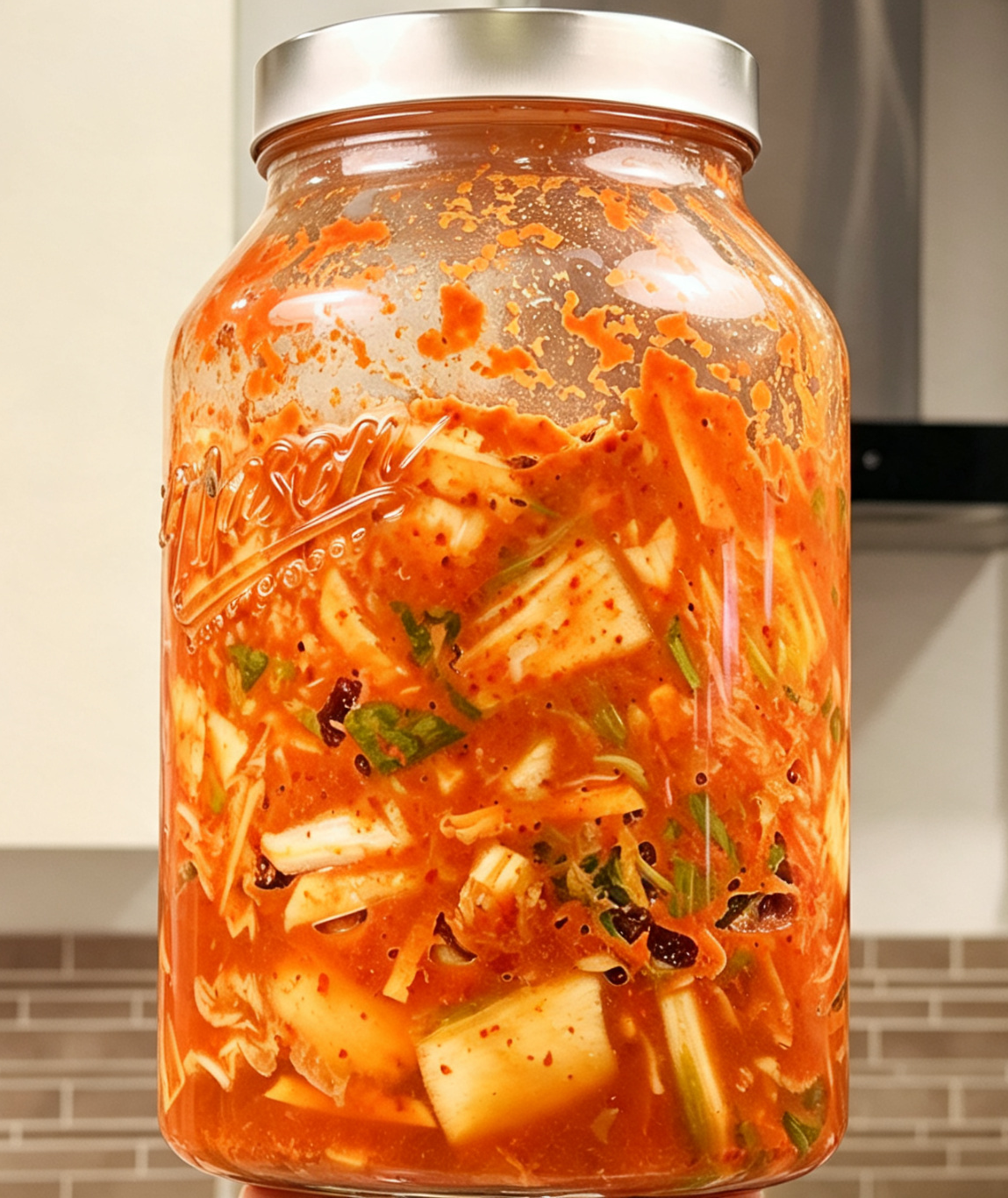
Kimchi recipe made at home is easier than you might think, especially when you make mak kimchi, the chopped version of traditional Korean napa cabbage kimchi. Instead of preparing whole cabbage leaves and folding them into a large kimchi bundle, this method cuts the napa cabbage into bite-sized pieces before seasoning. It makes the kimchi easier to mix, ferment, store, and serve.
This homemade kimchi recipe makes a generous batch using 2.6 kg of napa cabbage, which is about three medium-sized napa cabbages. The cabbage is first salted to remove excess moisture and season it properly. It is then rinsed and combined with a flavorful Korean kimchi paste made with gochugaru, Asian pears, onion, garlic, ginger, fish sauce, radish, green onions, and a small amount of sugar.
One thing I particularly like about this kimchi recipe is the use of Asian pears. The pears provide natural sweetness and moisture to the seasoning paste, while also helping balance the heat from the Korean chili flakes. I also use a small amount of sugar to round out the flavor.
The seasoning base is blended until smooth. The cooled glutinous rice flour porridge is mixed into the blended ingredients rather than being blended together. This creates a smooth, slightly sticky paste that coats the cabbage beautifully.
What Is Mak Kimchi?
Mak kimchi (막김치) is a style of Korean kimchi made with napa cabbage that has been cut into smaller pieces before seasoning.
Traditional napa cabbage kimchi, often called baechu kimchi, is commonly prepared with cabbage quarters or larger pieces. Mak kimchi is much more straightforward because everything is already cut into serving-size pieces.
That makes this kimchi recipe particularly convenient for home cooks.
You don’t have to cut pieces from a large cabbage bundle every time you want to eat kimchi. Simply open the container, take what you need, and serve.
Mak kimchi is also excellent for fermentation because the seasoning can reach a large surface area of the cabbage.
A Little About Korean Kimchi
Kimchi is one of Korea’s best-known fermented foods and has been an important part of Korean cuisine for centuries.
There are many different varieties of kimchi, and they can vary significantly depending on the region, season, vegetables, and ingredients available. Napa cabbage kimchi is one of the most recognizable versions, but kimchi can also be made with radish, cucumber, green onion, mustard greens, and other vegetables.
The familiar red color of this kimchi recipe comes from gochugaru, Korean red pepper flakes. Gochugaru is different from ordinary chili powder because it generally has a distinctive fruity, slightly smoky flavor and is available in different levels of coarseness and heat.
Fermentation is another important part of kimchi. Naturally occurring microorganisms on the vegetables participate in the fermentation process. As fermentation progresses, lactic acid bacteria become dominant and produce acids that give kimchi its characteristic tangy flavor.
Why Salt the Napa Cabbage?
Salting the cabbage is one of the most important steps in this kimchi recipe.
The salt draws water out of the cabbage, making the leaves more flexible while seasoning them. Proper salting also helps create conditions that favor the beneficial microorganisms involved in fermentation.
After about two hours, the cabbage should be noticeably softer but should still retain some firmness.
Don’t skip the rinsing step. After salting, the cabbage is rinsed two or three times to remove excess surface salt. It is then drained thoroughly before adding the kimchi paste.
Why Use Glutinous Rice Flour?
The glutinous rice flour is used to make a simple rice flour porridge.
For this recipe, combine glutinous rice flour with water and cook it gently until smooth and silky. Once completely cooled, it is mixed with the blended seasoning ingredients.
The rice flour porridge gives the kimchi paste more body and helps the seasoning cling to the cabbage. It also gives the finished homemade kimchi a smoother texture.
Be sure to cool the porridge completely before combining it with the other ingredients.
Why Blend the Kimchi Seasoning?
For this kimchi recipe, I blend the Asian pears, onion, garlic, ginger, fish sauce, and sugar until smooth.
Blending makes it easier to distribute the flavors throughout the kimchi. Instead of having large pieces of garlic, ginger, onion, and pear throughout the cabbage, everything becomes part of one smooth seasoning base.
After blending, the mixture is transferred to a bowl and combined with the cooled rice flour porridge and gochugaru.
I let the kimchi paste rest for about 20-30 minutes before mixing it with the cabbage. This gives the gochugaru time to absorb some of the moisture and develop a deeper color.
7 Tips for Better Homemade Kimchi
1. Use coarse sea salt
Coarse sea salt is preferable for salting the napa cabbage because it is easier to distribute evenly.
2. Don’t skip the rinsing
After salting, rinse the cabbage thoroughly two or three times. This prevents the finished kimchi from becoming excessively salty.
3. Drain the cabbage well
Excess water can make the kimchi seasoning too thin. Allow the cabbage to drain for about 20-30 minutes after rinsing.
4. Cool the rice flour porridge completely
Don’t add hot rice flour porridge to your seasoning. Let it cool completely first.
5. Let the gochugaru hydrate
Allowing the finished seasoning paste to rest for 20-30 minutes helps the gochugaru absorb moisture and creates a thicker, richer-looking paste.
6. Don’t overfill your containers
Leave some room at the top of the jar because fermentation can produce gas and cause the kimchi to expand.
7. Adjust fermentation according to your kitchen temperature
Fermentation happens faster in a warm environment and slower in a cool one. My batch fermented for about 24 hours at room temperature before I moved it into the refrigerator.
Perfect Homemade Kimchi Recipe: Easy Korean Mak Kimchi
Ingredients
Cabbage
- 2.6 kg napa cabbage about 3 medium
- 140-150 g coarse sea salt about 8 tbsp
Rice Flour Porridge
- 2 tbsp + 1½ tsp glutinous rice flour sweet rice flour
- 1 cup + 2 tbsp water
Blended Seasoning Base
- 2 pcs Asian pears chopped
- 1 pc large white onion 180-220 g, chopped
- 20 cloves garlic
- 2 thumb-sized ginger 20-30 g
- 7 tbsp fish sauce
- 1 tbsp sugar
Remaining Ingredients
- 1¼ cups gochugaru Korean chili flakes
- 450-500 g Korean radish or regular radish julienned
- 8 pcs green onions cut into 2-inch pieces
- 2 pcs medium carrots julienned
Instructions
Cut the Napa Cabbage
- Remove the core from the napa cabbage and cut the cabbage into approximately 2-inch bite-sized pieces.
Salt the Cabbage
- Place the cabbage in a large bowl or basin and sprinkle evenly with 140-150 g coarse sea salt.
- Toss thoroughly and allow the cabbage to sit for about 2 hours. Toss it every 30mins to 1hr so the salt is distributed evenly.
- The cabbage should become flexible while retaining some firmness.
Rinse and Drain
- Rinse the cabbage two or three times with cold water to remove excess salt.
- Drain well for approximately 20-30 minutes.
Make the Glutinous Rice Flour Porridge
- Combine 2 tablespoons + 1½ teaspoons glutinous rice flour with 1 cup + 2 tablespoons water in a saucepan while the water is still cold.
- Whisk until smooth.
- Cook over low to medium heat while stirring continuously until the mixture becomes smooth, glossy, and slightly thickened.
- Remove from the heat and allow it to cool completely.
Blend the Seasoning Base
- Place the following into a blender: Asian pears, Onion, Garlic, Ginger, Fish sauce, Sugar
- Blend until smooth.
- Transfer the mixture to a large bowl.
Make the Kimchi Paste
- Add the cooled glutinous rice flour porridge to the blended seasoning base.
- Mix thoroughly.
- Add 1¼ cups gochugaru and mix until completely incorporated.
- Mix thoroughly and allow the seasoning paste to rest for 20–30 minutes.
- Add the julienned radish, green onions, and carrots.
Season the Cabbage
- Add the drained cabbage to the kimchi paste.
- Using food-safe gloves, gently mix and massage the seasoning into the cabbage until every piece is evenly coated.
Pack the Kimchi
- Transfer the finished kimchi into clean glass jars or food-safe containers.
- Press the kimchi down gently to remove large air pockets.
- Leave approximately 1 inch (2-3 cm) of space at the top.
Ferment
- Leave the kimchi at room temperature.
- In a warm kitchen around 28-30°C, approximately 24 hours may be enough to begin developing noticeable fermentation.
- If your room is cooler, it may take longer.
- Look for a slightly tangy aroma, small bubbles, or a developing sour flavor.
- Once you are happy with the initial fermentation, refrigerate the kimchi.
Storage
Once your kimchi has reached the level of fermentation you prefer, transfer it to the refrigerator and keep it continuously refrigerated at 0-4°C (32-40°F). Always use clean utensils when taking kimchi from the container.
Properly fermented kimchi can last for many months in the refrigerator, and it may remain safe and edible for up to around 12 months or even longer when continuously refrigerated and properly handled. However, the quality, texture, aroma, and flavor will continue to change over time, so it is generally best enjoyed within the first few weeks to several months.
As kimchi ages, it normally becomes more sour and softer, which is not necessarily a sign that it has spoiled. Older, more sour kimchi is actually excellent for dishes such as kimchi fried rice, kimchi stew (kimchi jjigae), kimchi pancakes, and stir-fries.
Discard the kimchi if you notice fuzzy mold, a rotten or putrid smell, unusual discoloration, or other obvious signs of spoilage.
Frequently Asked Questions
Can I eat this kimchi immediately?
Yes. You can eat mak kimchi immediately after mixing. It will be fresh, crunchy, spicy, and relatively sweet. Fermentation develops the characteristic tangy flavor.
How long should I ferment kimchi at room temperature?
There isn’t one exact fermentation time because temperature makes a major difference. In my warm kitchen, I fermented this batch for approximately 24 hours before refrigerating it.
Does kimchi need to be fermented?
Not necessarily. Fresh kimchi can be eaten immediately. However, fermentation is what develops the characteristic sour and complex flavor associated with fermented kimchi.
Why do I need to rinse the cabbage after salting?
Rinsing removes excess salt from the surface of the cabbage. Without rinsing, the finished kimchi can become too salty.
Can I use regular rice flour?
Yes, you can use regular rice flour, but the result will be slightly different. This recipe uses glutinous rice flour (sweet rice flour) because it creates a smooth, slightly sticky porridge that helps the kimchi seasoning coat the cabbage well.
Regular rice flour can still be used to make the rice porridge, but it tends to produce a less sticky and slightly different consistency. Your kimchi will still ferment properly and taste good, but the seasoning paste may not have quite the same texture.
For the best result, I recommend using glutinous rice flour if it is available.
Can I use regular radish instead of Korean radish?
Yes. Korean radish is traditional, but regular radish or daikon can be used. I used regular radish in this recipe as I don’t have a Korean radish available.
Can I leave out the carrots?
Yes. The carrots are optional. They add color, sweetness, and crunch but aren’t essential to the recipe.
Can I reduce the garlic?
Yes. The recipe uses 20 cloves because I like a strongly flavored kimchi. You can reduce the amount if you prefer a milder garlic flavor.
Why use Asian pears?
Asian pears provide natural sweetness and moisture and help balance the spicy, savory seasoning.
Why use sugar if the recipe already has pears?
The pears already provide natural sweetness, but the small amount of sugar helps round out the flavor of the seasoning paste. It is primarily for flavor rather than being essential for fermentation.
Why does kimchi become more sour in the refrigerator?
Fermentation doesn’t completely stop in the refrigerator. The cold temperature slows microbial activity, so the kimchi continues developing gradually.
Kimchi recipe video
For more recipe videos, visit our YouTube channel, Onyok Kokok, by clicking the link below.
https://www.youtube.com/@onyokkokok8538
Discover more step-by-step written recipes by clicking the link below.
Filipino Recipes & Cooking – Onyok Kokok Kitchen
Final Note
This kimchi recipe is one of the easiest ways to make homemade Korean kimchi because the napa cabbage is chopped into bite-sized pieces before seasoning.
I especially like this method because you can enjoy the kimchi fresh immediately after making it, or allow it to ferment and develop a deeper, tangier flavor.
For my batch, I fermented the kimchi for about 24 hours at room temperature because my kitchen was warm. After that, I transferred it to the refrigerator. Even after just 24 hours, the kimchi was already delicious, while refrigeration allowed the flavor to continue developing.
If you’re making kimchi for the first time, don’t be afraid of the fermentation process. Once you understand the salting, seasoning, and storage steps, making your own homemade kimchi becomes surprisingly straightforward.