Burong Isda Recipe: Traditional Filipino Fermented Fish with Rice
Burong Isda Recipe
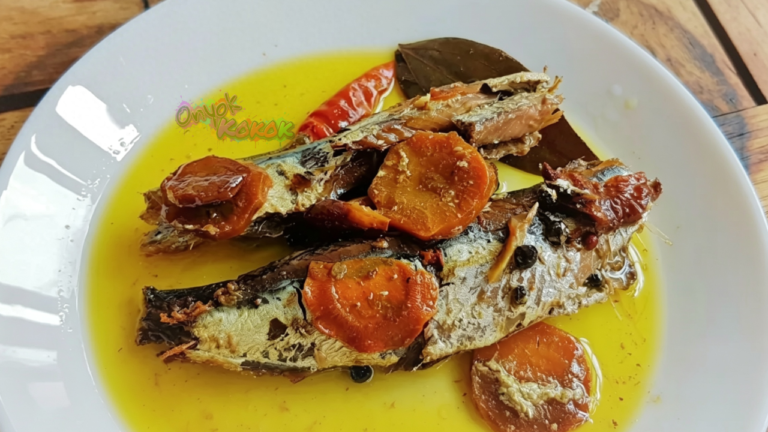
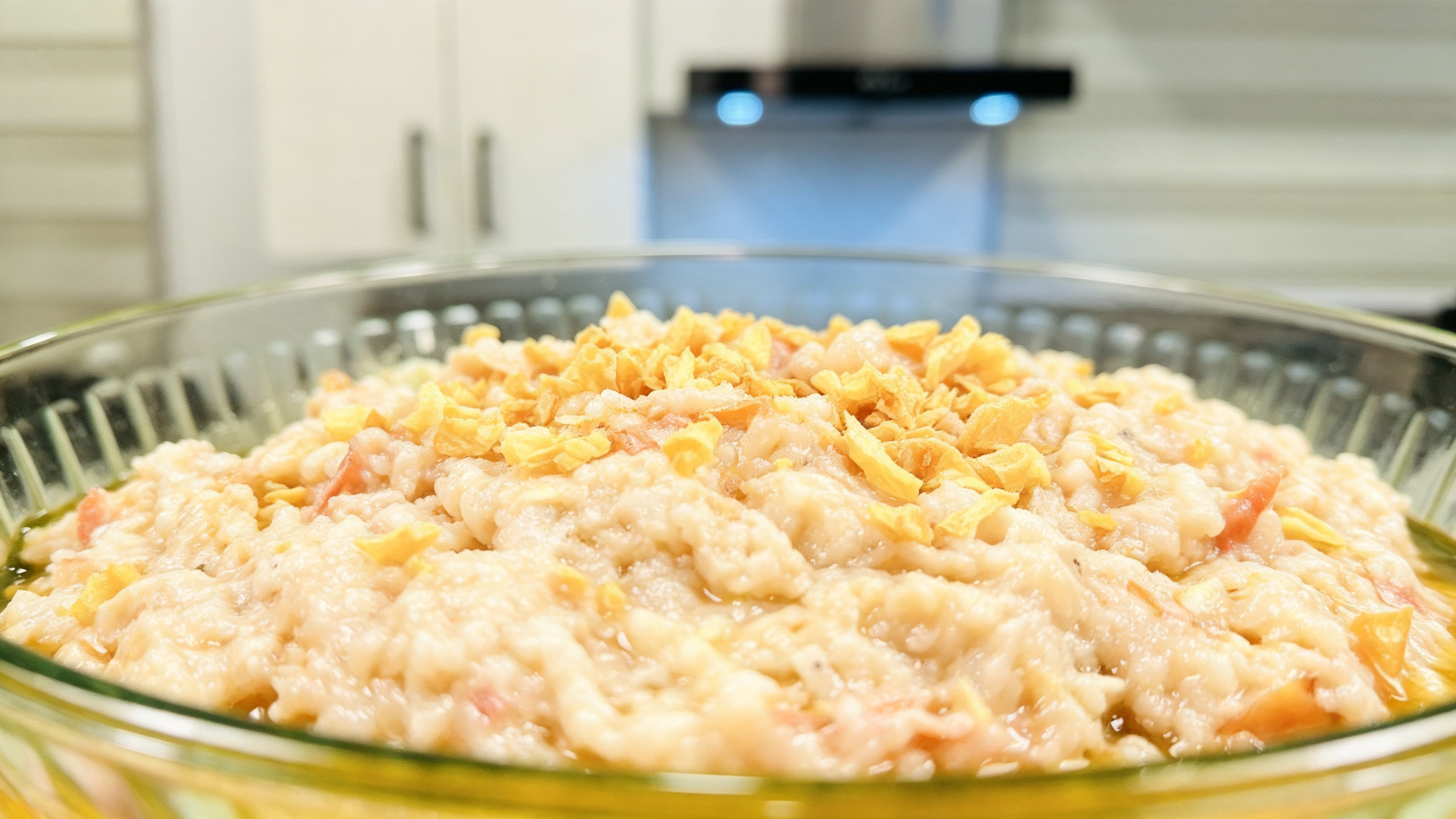
Burong isda is a traditional Filipino fermented fish dish made with fresh fish, cooked rice, and salt. In our family, we have been making burong isda for many years, and this recipe is the traditional method taught to me by my father.
What makes our burong isda recipe a little different is the way we use lugaw during the fermentation process. Instead of adding the lugaw at the beginning, we first ferment the salted fish and cooked rice. On Day 4, we prepare a simple lugaw, let it cool completely, and then mix it into the fermented fish and rice.
This two-stage method is how my father taught us to make our family-style buro. The cooled lugaw becomes part of the second stage of fermentation and also contributes to the soft, creamy consistency that we like in our finished buro.
There are many different ways of making burong isda in the Philippines. Some recipes use different types of fish, while others may have different proportions of rice and fish or different fermentation methods. Not every recipe uses lugaw. This version is simply the traditional family method that I learned from my father.
What Is Burong Isda?
Burong isda is made by fermenting fish together with salted cooked rice. During fermentation, naturally occurring microorganisms, including lactic acid bacteria, contribute to the development of the characteristic sour flavor and aroma of buro.
The fermentation process is affected by several factors, including temperature, salt concentration, moisture, ingredients, and the conditions in which the buro is prepared and stored.
Because of this, fermentation does not always take exactly the same number of days.
For this particular batch of burong isda, the weather was cooler because of continuous rain. I started checking the buro daily from Day 6, but it took 11 days (Day 11) before it developed the sourness and aroma that I wanted.
In our family, we prefer the buro at a particular level of sourness. Some people may prefer it less sour, while others may like it more fermented.
Why We Add Lugaw on Day 4?
One of the questions you may have when making this burong isda recipe is: Why add lugaw instead of simply using cooked rice?
In our family’s method, the salted fish and cooked rice are first allowed to ferment on their own. On Day 4, we prepare lugaw separately and allow it to cool completely before adding it to the fermented mixture.
The lugaw contains plenty of water and gelatinized rice starch. Because the rice has been cooked in water, the starch becomes hydrated and contributes to the soft texture of the buro. The additional moisture also becomes part of the second stage of the fermentation.
This is not a requirement for every burong isda recipe. Different families and regions have their own traditional ways of making buro. For us, adding the lugaw is simply part of the method my father taught me, and it gives us the texture we prefer.
How Long Does Burong Isda Take to Ferment?
The fermentation time for burong isda can vary. Temperature is one important factor, which is why it is better to observe the actual fermentation rather than assume that every batch will take exactly the same number of days.
For this batch, I started checking the buro daily from Day 6. Because we had continuous rain and cooler weather, fermentation progressed more slowly, and it took 11 days to reach the sourness and aroma that we wanted.
In warmer conditions, fermentation may progress more quickly. This is why fermentation time should not be treated as a fixed number that applies to every batch.
For our family, the desired endpoint is based on the sourness and aroma we prefer. Once the buro has developed those characteristics, we cook it.
11 Tips for Making Burong Isda
1. Use fresh fish
Start with fresh bangus for the best results. Fresh ingredients are important when preparing any fermented food.
2. Clean the fish thoroughly
Clean the bangus properly by removing the scales and intestines. Butterfly the fish and, since bangus has relatively hard bones, remove the large center bone while you already have access to it. There is no need to remove all the smaller bones, removing the large bone is enough for this recipe.
If you are using other fish, such as tilapia, you can leave the bones in because their bones are generally softer. Cut the cleaned fish into pieces about 2-3 inches wide before continuing with the recipe.
3. Drain the fish well
After washing the fish, allow it to drain until there is no excess water dripping from it before mixing it with salt.
4. Salt the fish and rice separately
For this burong isda recipe, the fish and cooked rice are each mixed with their own measured amount of salt before they are combined.
5. Use cooled cooked rice
Use freshly cooked rice that has been cooled to room temperature before combining it with the fish. Avoid leaving cooked rice at room temperature for unnecessarily long periods.
6. Keep your equipment clean
Wash your jars, bowls, utensils, and work surfaces thoroughly. Sanitize or sterilize the jars and utensils if practical, and make sure they are completely dry before use.
7. Cover the buro
Keep the jar covered during fermentation and avoid unnecessarily opening it before the Day 4 step.
8. Cool the lugaw completely
The lugaw should be completely cooled before it is mixed into the fermented fish and rice. Do not add hot or warm lugaw to the fermenting mixture.
9. Don’t expect every batch to ferment at the same speed
Temperature and other conditions can affect fermentation. A batch made during cooler weather may take longer than one made during warmer weather.
10. Check the fermentation carefully
For this family burong isda recipe, I start checking the fermentation daily from Day 6. The desired endpoint is based on the sourness and aroma we prefer.
11. Cook the buro once it reaches your desired fermentation
Once the buro has developed the sourness and aroma we want, it is time to cook it. Fermentation time and sensory characteristics alone should not be treated as a guarantee of food safety.
Burong Isda Recipe: Traditional Filipino Fermented Fish with Rice
Ingredients
Fish and Cooked Rice
- 1 medium fresh bangus about 750 g uncleaned
- 1 tablespoon sea salt for the fish
- 4 cups cooked rice about 740 g total
- 1 tablespoon sea salt for the rice
Lugaw
- 3/4 cup uncooked rice washed
- 3-9 cups water adjusted according to the desired consistency
For Cooking the Buro
- 1 cup cooking oil
- 2 thumb-size ginger julienned
- 2 whole bulbs garlic minced
- 2 medium red onions chopped
- 10 small to medium tomatoes sliced
Instructions
Prepare the fish
- Clean the bangus thoroughly. Remove the scales, then Butterfly the fish and remove the large center bone and intestines.
- Cut the fish into pieces about 2–3 inches wide. Wash the pieces again and allow them to drain until there is no excess water dripping from the fish.
- Salt the fish
- Place the drained fish in a clean basin. Add 1 tablespoon of sea salt and mix thoroughly, making sure the salt is evenly distributed over the fish.
Prepare the cooked rice
- Place the cooled cooked rice in another clean basin. Add 1 tablespoon of sea salt and mix thoroughly.
Combine the fish and rice
- Combine the salted fish and salted rice. Mix gently but thoroughly so that the rice is distributed around the fish.
Transfer to the jar
- Place some of the rice mixture at the bottom of a clean jar. Add the fish and rice mixture, making sure the top is covered with rice and that no fish is exposed on top.
- Cover the jar and keep it at room temperature. For this traditional method, we leave it covered and do not open it until Day 4.
Prepare the lugaw on Day 4
- On Day 4, wash 3/4 cup of uncooked rice and place it in a pot with about 3 cups of water.
- Cook over medium-low to medium heat, stirring occasionally. Add more hot water as needed until you reach your preferred consistency. The lugaw should be thick but still very moist. Remember that lugaw will continue to thicken as it cools.
- Allow the lugaw to cool completely before using it.
Add the lugaw
- Transfer the fermented fish and rice to a clean basin. Add the completely cooled lugaw and mix thoroughly.
- Transfer the mixture back into the clean jar and cover.
Continue fermentation
- Continue fermenting the burong isda at room temperature.
- For this batch, I started checking daily from Day 6. Because the weather was cooler due to continuous rain, fermentation progressed more slowly. It took 11 days (Day 11) before the buro reached the sourness and aroma that I wanted.
- Your fermentation may take a different amount of time depending on your conditions.
Cook the buro
- Once the buro has developed the sourness and aroma you want, it is time to cook it.
- Heat the cooking oil in a pan over medium heat. Add the ginger and garlic and cook until fragrant.
- Add the onions and cook until translucent. Add the sliced tomatoes and continue cooking until the tomatoes become very soft.
- Add the fermented buro.
- Using a sandok, press the fish as it cooks until the fish meat breaks down and dissolves into the mixture.
- Lower the heat to medium-low and continue cooking, stirring occasionally until the burong isda becomes thick.
How to Serve Burong Isda
Our family usually enjoys burong isda with fried fish and simple Filipino side dishes.
Some of our favorite accompaniments include fried eggplant, mustard greens, and other vegetables. The sour and savory buro pairs particularly well with plain rice and fried dishes.
Because buro has a strong fermented flavor, the combination with freshly cooked rice and fried fish makes a very satisfying Filipino meal.
How to Store Burong Isda
Once the burong isda has been cooked, allow it to cool properly and transfer it to a clean, airtight container. Refrigerate promptly and keep it at 4°C (40°F) or below.
For best quality, consume the cooked buro within 7 days when properly refrigerated. If you want to keep it longer, freezing is a better option. Frozen cooked buro can be kept for 2-3 months for best quality.
Always use a clean utensil when serving and avoid repeatedly leaving the buro at room temperature. If it develops an unusual smell, appearance, mold, or other signs of spoilage, discard it.
Note: The 7-day recommendation applies to the cooked buro after proper cooking, cooling, refrigeration, and handling.
Frequently Asked Questions
What is burong isda?
Burong isda is a Filipino fermented food made by fermenting fish with salted cooked rice. The fermentation produces the characteristic sour flavor and aroma associated with buro.
What fish can I use for burong isda?
Our family uses bangus for this burong isda recipe. Other traditional versions of buro may use different types of fish, depending on the family recipe and local tradition.
Can I skip the lugaw?
Yes, there are traditional methods of making buro that do not use lugaw. However, in our family recipe, lugaw is an important part of the second stage of fermentation and contributes to the soft, creamy consistency we prefer.
Why do you add the lugaw on Day 4?
This is the traditional method my father taught me. We first allow the salted fish and cooked rice to ferment, then add completely cooled lugaw on Day 4 for the second stage of the process.
Why did my burong isda take longer to ferment?
Temperature and other fermentation conditions can affect how quickly burong isda develops its characteristic sourness. Cooler weather can slow the fermentation process.
Is burong isda supposed to smell sour?
A properly fermented buro develops its characteristic sour aroma and flavor. However, smell and sourness alone should not be treated as a guarantee of food safety.
Can I add hot lugaw to the buro?
No. Let the lugaw cool completely before adding it to the fermented fish and rice. Hot or warm lugaw can raise the temperature of the mixture and affect the fermentation conditions.
Why is my buro not as sour as I expected?
Fermentation time can vary from batch to batch. Temperature, salt concentration, moisture, ingredients, and other conditions can all affect the process. Give the fermentation enough time to develop the sourness you prefer while following proper food-safety practices.
Can I make burong isda with more rice?
The fish-to-rice ratio affects the final texture, flavor, moisture, and fermentation conditions. If you change the proportions significantly, the result may be different from this family recipe.
Burong Isda Recipe Video
For more recipe videos, visit our YouTube channel, Onyok Kokok, by clicking the link below.
https://www.youtube.com/@onyokkokok8538
Discover more step-by-step written recipes by clicking the link below.
Filipino Recipes & Cooking – Onyok Kokok Kitchen
Final Note
This burong isda recipe is special to me because it is one of the traditional recipes that I learned from my father. There are many ways to make buro, and every family may have its own technique, ingredients, and preferred level of sourness.
Our method is a little different because we add cooled lugaw on Day 4 instead of adding it at the beginning. It is the method that has been passed down in our family, and it gives us the soft and creamy buro that we enjoy.
For this particular batch, continuous rain and cooler weather made the fermentation slower than usual. I started checking it daily from Day 6, and it took 11 days before it reached the sourness and aroma that we wanted.
If you have never tried making burong isda, I hope this recipe gives you a better understanding of how our family prepares it and why each step is done the way it is.
Fermented foods can vary depending on ingredients, temperature, salt concentration, fermentation conditions, and handling. Always use fresh ingredients, clean and sanitary equipment, and appropriate food-safety practices when preparing and storing fermented foods.