Homemade Tinapang Bangus Recipe | Boneless | Easy Secrets to Smoky, Flavorful Tinapa
Homemade Tinapang Bangus Recipe – Boneless
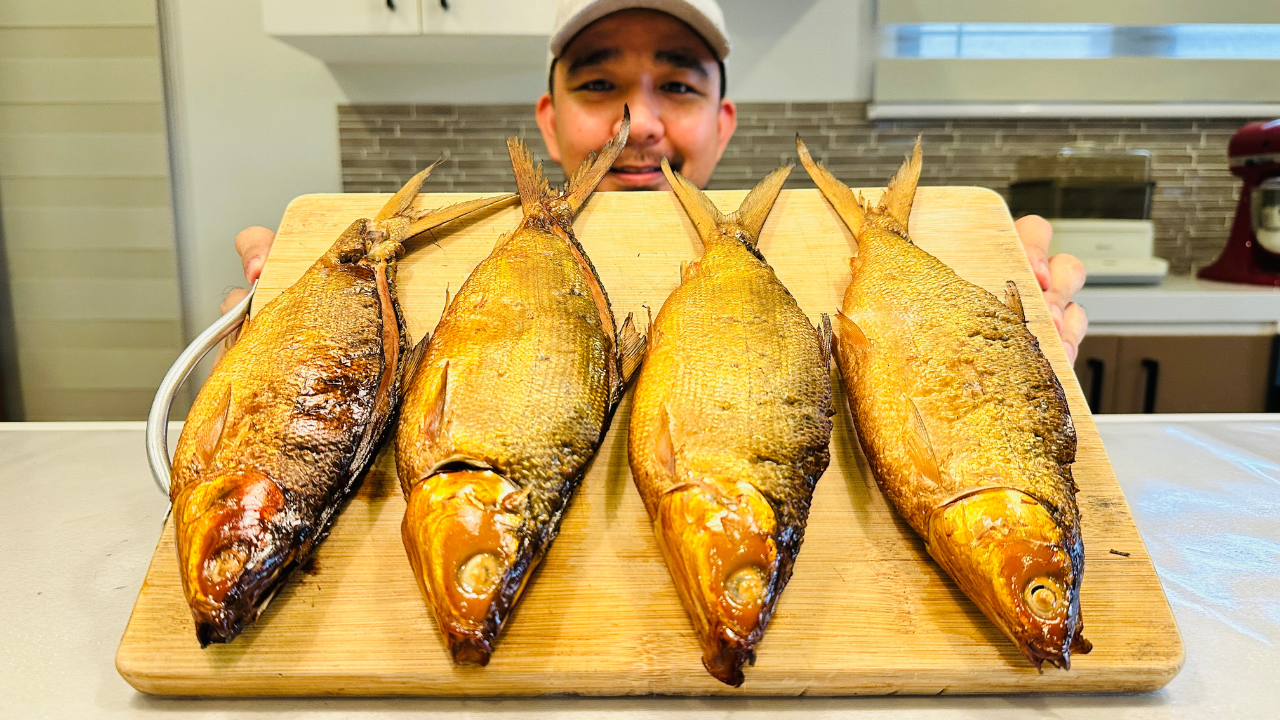
Tinapang bangus is one of the most beloved Filipino breakfast dishes. Known for its smoky aroma, savory flavor, and firm texture, this traditional smoked fish has been a staple in many Filipino homes for generations. While it is commonly bought from local markets and tinapahan stalls, making homemade tinapang bangus is easier than most people think.
This Homemade Tinapang Bangus Recipe is perfect if you want to enjoy authentic Filipino smoked bangus without buying from the market. In this recipe, I will share how I make homemade tinapang boneless bangus using simple ingredients and proper preparation techniques. The secret to a delicious tinapa lies in the combination of brining, parboiling, drying, and smoking. Each step helps develop the flavor, texture, and shelf life of the fish.
Brining is an important process that helps season the bangus while improving the texture of the flesh. The salt helps firm up the fish, while a small amount of sugar balances the saltiness and adds extra umami. After brining, the fish is lightly rinsed and then parboiled with salt, vinegar, and garlic. This step helps reduce fishiness, improves texture, and slightly extends shelf life.
Drying is another crucial step that should never be skipped. A properly dried fish absorbs smoke better, develops a more attractive color, and produces a cleaner smoky flavor. Whether you use a traditional smoker or an improvised stovetop smoker, drying the fish first greatly improves the final result.
For this recipe, I used boneless bangus because it is easier to prepare, serve, and enjoy. Since boneless bangus can be delicate, it should be handled carefully throughout the process to avoid tearing or breaking the flesh.
I also included two smoking methods. The first uses a traditional smoker with charcoal and coconut shells, which produces the most authentic tinapa flavor. The second method is an improvised stovetop smoker using rice, sugar, and tea bags. Both methods work well, although I personally prefer the traditional smoker because it produces a cleaner and more natural smoky taste.
Serve your homemade tinapang bangus with hot steamed rice, spiced vinegar, and ginisang alamang for a classic Filipino meal that is perfect for breakfast, lunch, or dinner. Whether you are a beginner or an experienced home cook, this Homemade Tinapang Bangus Recipe will guide you through every step, from brining to smoking.
Tips for the Best Tinapang Bangus
- Use the freshest bangus available for the best flavor and texture.
- Handle boneless bangus carefully since it becomes delicate during the brining and parboiling process.
- Do not over-brine the fish as it may become too salty.
- Rinse lightly after brining to remove excess surface salt.
- Sugar in the brine helps balance the saltiness and adds extra umami.
- Vinegar helps reduce fishiness, slightly improves preservation, and helps firm the flesh.
- Do not parboil beyond 7 minutes for boneless bangus to prevent the fish from becoming too soft.
- Dry the fish completely before smoking to ensure better smoke absorption.
- Plain white rice or ordinary rice is best for the DIY smoker because it produces cleaner smoke. Avoid using glutinous rice (malagkit) because it burns more easily and may create harsh smoke.
- If using the DIY smoker, maintain medium heat only. Excessive heat can burn the rice, sugar, and tea mixture, causing unpleasant flavors.
- For the most authentic tinapa flavor, use a traditional smoker with charcoal and coconut shells.
Homemade Tinapang Boneless Bangus Recipe
Ingredients
Fish
- 6 pcs boneless bangus approximately 2 kg total
Brine Solution
- 3 liters water
- 3/4 cup rock salt
- 6 tbsp sugar
Parboil Mixture
- 2 liters water
- 4 tbsp rock salt
- 2 tbsp vinegar
- 1/2 bulb garlic crushed
For Frying
- Cooking oil
Traditional Smoker
- Charcoal uling
- Coconut shells bao ng niyog or any kind of wood for smoking
DIY Stovetop Smoker
- 4 tbsp plain white rice uncooked
- 2 tbsp sugar
- 2 tea bags
Instructions
Prepare the Brine
- In a large container, combine 3 liters of water, 3/4 cup rock salt, and 6 tablespoons sugar. Stir until completely dissolved.
Brine the Bangus
- Carefully place the boneless bangus into the brine solution and soak for 1 hour.
- If using regular bangus with bones, brine for 1½ to 2 hours.
Rinse the Fish
- Remove the bangus from the brine and lightly rinse to remove excess surface salt. Avoid excessive washing.
Prepare the Parboil Mixture
- In a wide pot, combine 2 liters water, 4 tablespoons rock salt, 2 tablespoons vinegar, and crushed garlic. Bring to a boil.
Parboil the Bangus
- Carefully fold the boneless bangus and arrange inside the pot.
- Once the mixture starts boiling, cook for 5 minutes. Do not exceed 7 minutes.
- For regular bangus with bones, up to 10 minutes is acceptable.
Dry the Fish
- Carefully remove the fish from the pot and place on racks or trays.
- Allow the fish to dry completely. Drying usually takes more than 1 hour depending on airflow and weather conditions.
- The fish should feel dry to the touch before smoking.
Smoke the Bangus – Traditional Smoker
- Prepare charcoal and coconut shells.
- Smoke the fish for approximately 20 minutes.
Smoke the Bangus – DIY Stovetop Smoker
- Line an old pan with aluminum foil.
- Combine 4 tablespoons rice, 2 tablespoons sugar, and 2 tea bags. Spread the mixture evenly in the pan.
- Place a steamer rack above the smoking mixture and arrange the bangus on the rack.
- Cover tightly and cook over medium heat until smoked – 20 to 30mins.
- Avoid high heat to prevent burning the smoking mixture.
Cool and Fry
- Allow the smoked fish to cool completely.
- Heat cooking oil in a pan and fry until golden brown and slightly crispy.
Serve
- Serve with hot steamed rice, spiced vinegar, and ginisang alamang.
Other Ways of Cooking
Air Fryer
Preheat the air fryer to 180°C. Cook the smoked bangus for 8-10 minutes or until heated through and lightly crispy.
Oven
Bake the smoked bangus at 180°C for 12-15 minutes. Brush lightly with oil before baking for better color and texture.
Storage
Refrigerator
Store in an airtight container for up to 3-4 days.
Freezer
Store unfried tinapang bangus for up to 2-3 months. For best quality and flavor, consume within 1 month.
Fried Tinapang Bangus
Store in the freezer for up to 1 month. Oil gradually affects the quality and texture of fried foods during long-term storage.
Frequently Asked Questions
Here are some of the most frequently asked questions about this Homemade Tinapang Bangus Recipe to help you achieve the best results.
Q: Why do we brine the bangus?
A: Brining helps improve the texture of the fish, firms the flesh, and seasons the bangus before smoking.
Q: Why add sugar to the brine?
A: Sugar helps balance the saltiness and adds extra umami without making the fish sweet.
Q: Why add vinegar during parboiling?
A: Vinegar helps reduce fishiness, slightly improves preservation, and helps firm the flesh.
Q: Why add garlic to the parboil mixture?
A: Garlic adds aroma and enhances the overall flavor of the fish.
Q: Why should the fish be dried before smoking?
A: Drying allows smoke to adhere better to the fish, resulting in improved flavor, color, and aroma. It also helps produce cleaner smoke and reduces the chance of bitter flavors.
Q: Can I use regular bangus instead of boneless bangus?
A: Yes. Increase the brining time to 1½–2 hours and parboil for about 10 minutes. Handle carefully during smoking and frying to prevent the fish from breaking apart.
Q: Can I use an improvised smoker?
A: Yes. The DIY stovetop smoker works well and can produce delicious tinapa at home. However, a traditional smoker usually produces a cleaner and more authentic smoky flavor.
Q: Why did my DIY smoker produce a bitter or unusual taste?
A: The rice, sugar, and tea mixture may have burned because of excessive heat. Always maintain medium heat and avoid overheating the smoking mixture.
Q: Why use rice, sugar, and tea bags in the DIY smoker?
A: Rice acts as the primary smoke source, sugar helps create additional smoke and color, while tea bags contribute aroma and depth to the smoke. Together, they help mimic the flavor of traditional smoking.
Q: Can I use any type of rice for the DIY smoker?
A: Plain white rice or ordinary rice is recommended because it produces cleaner and more predictable smoke. Avoid glutinous rice (malagkit) as it burns more easily and may create harsh smoke.
Q: Can I use banana leaves instead of aluminum foil?
A: Yes. Wilt the banana leaves first to make them flexible and less likely to tear. Banana leaves can also add a subtle natural aroma during smoking.
Q: Does aluminum foil affect the taste of the fish?
A: Food-grade aluminum foil does not normally affect the taste of the fish when used properly. Any unpleasant taste is usually caused by excessive heat or poor-quality smoke rather than the foil itself.
Q: Can I eat tinapang bangus immediately after smoking?
A: Yes. The fish is already cooked after parboiling and smoking. However, many Filipinos prefer frying it first to enhance the flavor and texture.
Q: Why is my tinapang bangus bland?
A: Possible reasons include insufficient brining time, weak brine solution, excessive washing after brining, or not enough salt in the parboil mixture. Proper seasoning during the brining and parboiling stages is important for achieving a flavorful tinapa.
Q: Can I store tinapang bangus in the freezer?
A: Yes. Unfried tinapang bangus can be stored in the freezer for 2–3 months, although the best quality is within 1 month.
Q: How long can fried tinapang bangus last in the freezer?
A: Fried tinapang bangus can be stored in the freezer for up to 1 month. The oil used during frying can gradually affect the texture and flavor during long-term storage.
Q: Which smoking method is better, traditional smoker or DIY smoker?
A: Both methods work, but a traditional smoker using charcoal and coconut shells generally produces a cleaner, more authentic, and more consistent tinapa flavor. The DIY smoker is a good alternative for home cooks who do not have access to a smoker.
Homemade Tinapang Bangus Recipe Video:
For more recipe videos, visit our YouTube channel, Onyok Kokok, by clicking the link below.
https://www.youtube.com/@onyokkokok8538
Discover more step-by-step written recipes by clicking the link below.
Filipino Recipes & Cooking – Onyok Kokok Kitchen
Final Note
I hope this Homemade Tinapang Bangus Recipe inspires you to make your own smoked bangus at home instead of buying ready-made tinapa. With the proper brining, parboiling, drying, and smoking techniques, you can enjoy a flavorful, smoky, and delicious homemade tinapang bangus that’s perfect for breakfast, lunch, or dinner.
This Homemade Tinapang Bangus Recipe is beginner-friendly and uses simple ingredients that are easy to find. Whether you choose a traditional smoker with charcoal and coconut shells or a DIY stovetop smoker, you can still achieve excellent results by following the proper steps and controlling the heat carefully.
Once you’ve tried this Homemade Tinapang Bangus Recipe, you’ll discover that making authentic Filipino smoked milkfish at home is easier than you might think. The smoky aroma, firm texture, and savory flavor make it a great dish to enjoy with hot steamed rice, spiced vinegar, and your favorite side dishes.
If you enjoyed this Homemade Tinapang Bangus Recipe, don’t forget to share it with your family and friends. I also invite you to explore more Filipino recipes on my website, where you’ll find easy-to-follow recipes, cooking tips, and delicious dishes that you can prepare right in your own kitchen. Happy cooking!