Binangkal Recipe – Crispy Outside, Crumbly Inside Filipino Sesame Bread Balls
Binangkal Recipe
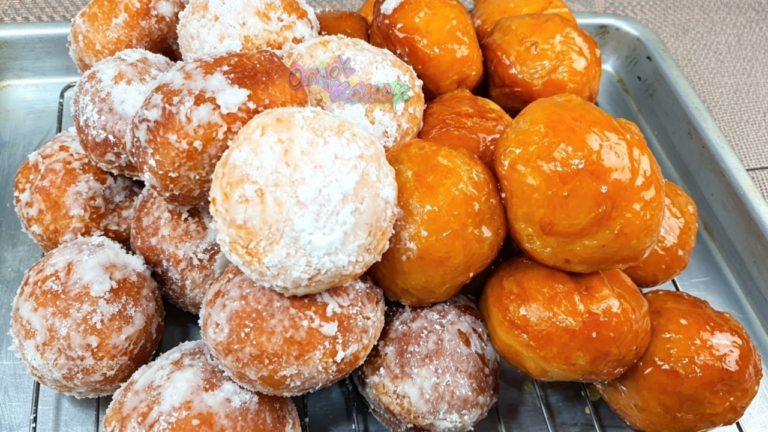
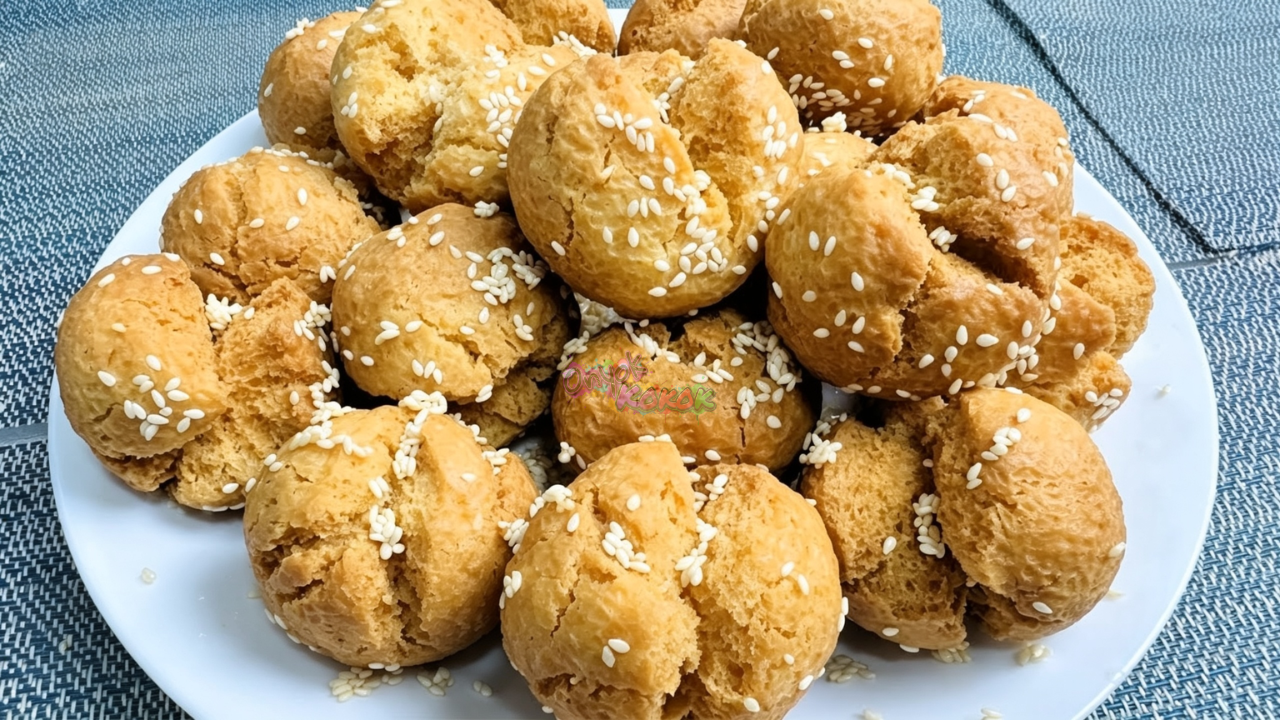
Binangkal Recipe is one of the easiest and most satisfying Filipino snacks you can make at home. Binangkal is a deep-fried bread ball generously coated with sesame seeds, giving it a delicious nutty aroma, a crispy golden exterior, and a soft, slightly crumbly interior. This popular Filipino merienda is commonly sold in bakeries, roadside stalls, and local markets across the Philippines, especially in the Visayas and Mindanao.
Unlike donuts, Binangkal has a denser texture and relies on baking powder instead of yeast, making it much quicker and easier to prepare. The sesame seeds not only add crunch and flavor but also create its signature appearance.
This homemade Binangkal Recipe uses simple pantry ingredients such as all-purpose flour, cornstarch, evaporated milk, egg, and baking powder. The addition of cornstarch helps produce a lighter, less chewy texture, while evaporated milk makes the bread balls richer and more flavorful.
If you’re looking for an affordable Filipino merienda recipe that’s perfect for coffee, tea, or even breakfast, this Binangkal Recipe is one you’ll want to make again and again.
8 Tips for the Best Binangkal Recipe
1. Use cornstarch for a lighter texture
Cornstarch helps reduce gluten formation, resulting in Binangkal that is slightly crumbly instead of overly chewy.
2. Dissolve the sugar completely
Mix the sugar well with the wet ingredients before combining with the flour. This ensures even sweetness throughout the dough.
3. Do not overmix the dough
Once the wet and dry ingredients are combined, mix only until everything comes together. Overmixing develops gluten, making the Binangkal tougher.
4. Coat generously with sesame seeds
Roll each dough ball thoroughly in sesame seeds and gently press the seeds onto the surface so they stick well during frying.
5. Keep the dough balls uniform
Using approximately 1 tablespoon of dough for each ball helps them cook evenly.
6. Fry over medium heat
Cooking over medium heat allows the inside to cook completely while giving the outside enough time to become golden brown without burning.
7. Don’t worry if they crack
It is perfectly normal for Binangkal to develop cracks while frying. In fact, those cracks often indicate that the inside has expanded properly and contribute to the rustic appearance.
8. Let them cool slightly before serving
Freshly fried Binangkal is extremely hot inside. Allowing them to cool for a few minutes also helps the crumbly texture develop.

Amazing Binangkal Recipe – Crispy Outside and Crumbly Inside
Ingredients
- 2 cups all-purpose flour
- 1/4 cup cornstarch
- 1 1/2 teaspoons baking powder
- 1/2 teaspoon salt
- 1/3 cup white sugar
- 1/2 cup evaporated milk
- 1 medium egg
- 1 tablespoon cooking oil
- 1/2 cup sesame seeds
- Cooking oil for deep frying
Instructions
- In a large bowl, combine the all-purpose flour, cornstarch, and baking powder. Mix well until evenly distributed. Set aside.
- In another bowl, combine the evaporated milk, egg, cooking oil, sugar, and salt.
- Stir until the sugar has completely dissolved.
- Pour the wet ingredients into the flour mixture.
- Mix until a rough dough forms.
- Use your hands to gently combine everything until no dry flour remains. Avoid overmixing.
- Scoop about 1 tablespoon of dough and roll it into a smooth ball.
- Roll each dough ball generously in sesame seeds until completely coated.
- Heat enough cooking oil in a deep frying pan so the Binangkal can be fully submerged.
- Once the oil is hot, carefully add the dough balls. Fry at medium heat.
- Fry while occasionally turning until evenly golden brown on all sides.
- It is completely normal for the Binangkal to crack while frying.
- Remove using a slotted spoon and drain on a wire rack or paper towels.
- Allow to cool slightly before serving.
- Enjoy while still warm for the best texture.
Other Ways of Cooking
Can Binangkal be baked?
Yes, although the texture will be different. Bake in a preheated oven at 180°C (350°F) for approximately 18-22 minutes, or until lightly golden. The result will be softer with less crispiness compared to the traditional fried version.
Can Binangkal be cooked in an air fryer?
Yes. Preheat the air fryer to 180°C. Lightly brush or spray the Binangkal with cooking oil and air fry for 10-14 minutes, turning halfway through cooking. Expect a slightly drier exterior and a softer crust than deep frying.
Deep frying still produces the authentic crispy exterior and traditional Binangkal texture.
Storage
At Room Temperature
Store completely cooled Binangkal in an airtight container for up to 2 days.
Refrigerator
Store in an airtight container for up to 5 days. Keep in mind that refrigeration may cause the bread balls to firm up slightly.
Freezer
Freeze in a freezer-safe container or zip-top bag for up to 2 months. Thaw at room temperature before reheating.
Reheating
For the best texture, reheat in a 170°C oven or air fryer for 3-5 minutes until warmed through and slightly crispy again. Avoid microwaving if possible, as it softens the crispy exterior.
Frequently Asked Questions
Why did my Binangkal crack while frying?
This is completely normal. As the dough expands during cooking, small cracks naturally form on the surface. Many traditional Binangkal have this characteristic appearance.
Why is my Binangkal too hard?
Overmixing the dough, using too much flour, or frying at excessively high heat can make the bread balls dense and hard.
What does cornstarch do?
Cornstarch reduces gluten development, helping create a lighter and slightly crumbly texture instead of a chewy one.
Can I use black sesame seeds?
Yes. Black sesame seeds work well and provide a different appearance while maintaining a delicious nutty flavor.
Can I substitute evaporated milk?
Yes. Whole milk may be used, but evaporated milk provides a richer taste and softer crumb.
Can I make the dough ahead of time?
Yes. Cover the dough tightly and refrigerate for up to 24 hours before shaping and frying. Let it sit at room temperature for about 15-20 minutes before rolling into balls.
Why aren’t my sesame seeds sticking?
Make sure the dough is still slightly moist before rolling in the sesame seeds. Gently press the seeds onto the surface to help them adhere better.
Can I reduce the sugar?
Yes. You may slightly reduce the sugar if you prefer a less sweet Binangkal, although the texture may be slightly less tender.
Why is my Binangkal raw inside?
The oil was likely too hot. Lower the heat to medium so the center has enough time to cook before the outside browns.
What should I serve with Binangkal?
Binangkal pairs perfectly with coffee, hot chocolate, tea, or even a cold glass of milk for breakfast or merienda.
Binangkal Recipe Video
For more recipe videos, visit our YouTube channel, Onyok Kokok, by clicking the link below.
https://www.youtube.com/@onyokkokok8538
Discover more step-by-step written recipes by clicking the link below.
Filipino Recipes & Cooking – Onyok Kokok Kitchen
Final Note
This easy homemade Binangkal Recipe proves that delicious Filipino bakery-style treats don’t require complicated ingredients or special equipment. With its crispy sesame-coated exterior and soft, crumbly center, it’s an affordable snack that’s perfect for sharing with family and friends. Whether you’re making it for merienda, breakfast, or simply satisfying a craving for classic Filipino bread, this recipe delivers authentic flavor with every bite. Once you try freshly fried homemade Binangkal, you’ll understand why it remains a favorite in Filipino bakeries and households.