Maruya Recipe – Crispy Filipino Banana Fritters You Can Easily Make at Home
Maruya Recipe
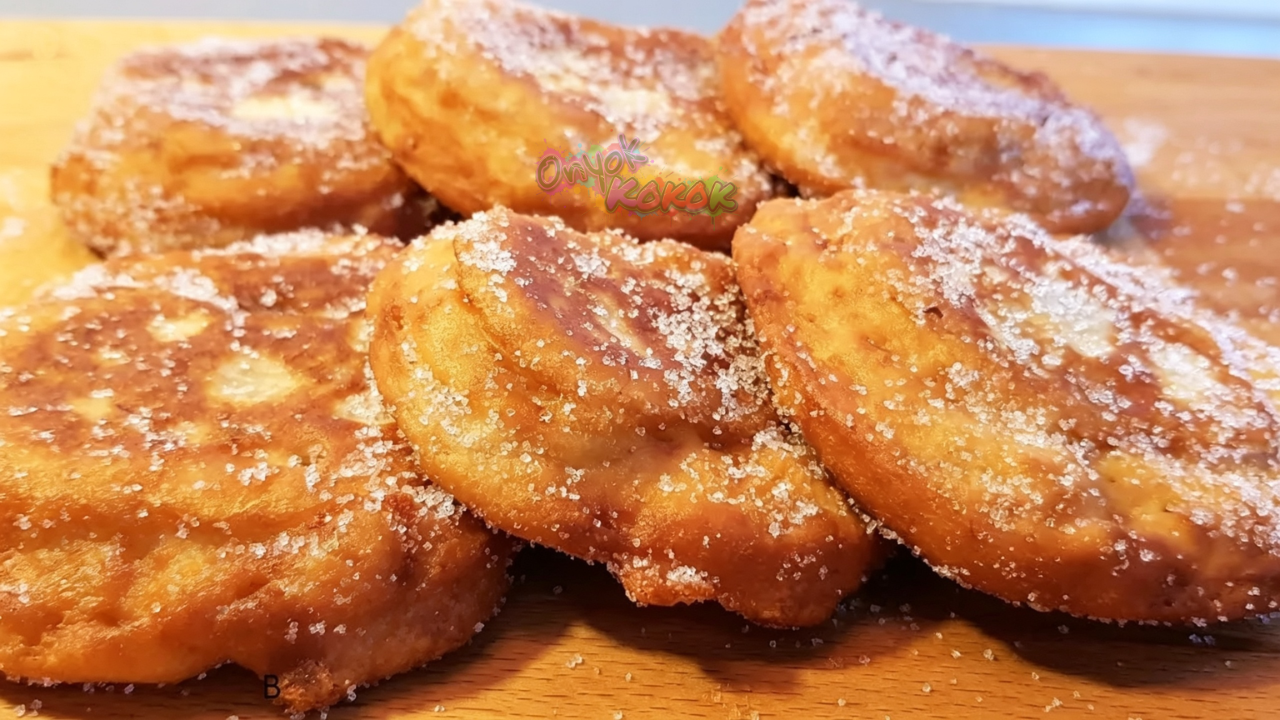
Maruya Recipe is one of the easiest and most affordable Filipino merienda recipes that you can make using ripe saba bananas. Also known as Filipino banana fritters, maruya has been a favorite snack in many Filipino households for generations because of its naturally sweet flavor, soft banana center, and lightly crispy exterior.
In this version, I added cornstarch to the batter to give the maruya a crispier texture while keeping the inside moist and tender. The batter is also made without eggs, which creates a lighter coating instead of a thick, cake-like fritter. While omitting eggs does not automatically guarantee a crispier maruya, many home cooks prefer eggless batters because they tend to produce a thinner, lighter crust, especially when combined with cornstarch and fried at the proper temperature.
Whether you’re looking for an afternoon snack, a simple breakfast, or a budget-friendly dessert, this Maruya Recipe is worth trying. The ingredients are simple, the preparation is quick, and the result is deliciously crispy banana fritters coated in sugar that everyone will enjoy.
If you have overripe saba bananas sitting on your kitchen counter, this is the perfect recipe to make!
7 Tips for the Best Maruya Recipe
1. Use ripe saba bananas
Choose bananas that are fully ripe with yellow skin and brown spots. They are naturally sweeter and mash more easily.
2. Don’t overmix the batter
Mix only until the ingredients are combined. Overmixing develops the gluten in the flour, making the maruya less tender.
3. Cornstarch makes a difference
Adding cornstarch helps create a lighter and slightly crispier crust compared to using all-purpose flour alone.
4. Fry over medium-low heat
Cooking over medium-low heat allows the batter to cook through while giving the outside enough time to become golden brown without burning.
5. Avoid overcrowding the pan
Frying too many pieces at once lowers the oil temperature, resulting in oily and soggy maruya.
6. Coat with sugar while still warm
The sugar sticks much better when the maruya is freshly fried and still warm.
7. Serve immediately
Maruya tastes best right after frying while the outside is still crisp and the inside remains soft.
Maruya Recipe with Extra Crispiness
Ingredients
- 3 ripe saba bananas
- ½ cup all-purpose flour
- 3 tablespoons cornstarch
- 2 tablespoons white sugar
- ½ teaspoon salt
- ½ teaspoon baking powder
- ½ cup evaporated milk or fresh milk or water
Additional Ingredients
- Cooking oil for frying
- White sugar for coating
Instructions
- Peel the ripe saba bananas and mash them thoroughly using a fork. Set aside.
- In a mixing bowl, combine the all-purpose flour, cornstarch, sugar, salt, and baking powder.
- Mix the dry ingredients until evenly distributed.
- Pour in the evaporated milk and stir until a smooth batter forms.
- Add the mashed bananas and gently mix until fully combined.
- Heat enough cooking oil in a frying pan over medium-low heat.
- Scoop about ¼ cup of the batter and carefully place it into the hot oil.
- Fry until the bottom becomes golden brown, then flip and cook the other side until evenly browned.
- Remove from the oil and drain on a wire rack or paper towel.
- While still warm, coat each maruya generously with white sugar.
- Serve immediately and enjoy.
Other Ways of Cooking
Air Fryer
Although maruya can technically be cooked in an air fryer, the traditional batter is quite soft and may spread before it sets. If you wish to try, line the basket with parchment paper, lightly grease it, and air fry at 180°C (356°F) until golden. The texture will be less crispy than deep-fried maruya.
Oven
Baking is not recommended for this recipe because the batter is designed for frying. The baked version will have a softer, bread-like texture instead of the classic crispy exterior.
Storage
Maruya is best enjoyed immediately after cooking. If you have leftovers:
- Store in an airtight container in the refrigerator for up to 2 days.
- Reheat in an air fryer at 180°C for 3-5 minutes or in a toaster oven to help restore some crispness.
- Microwaving is not recommended because it makes the maruya soft and chewy.
Frequently Asked Questions
What is the best banana for this Maruya Recipe?
The best banana for a traditional Maruya Recipe is ripe saba bananas. Saba bananas have a naturally sweet flavor and a firm texture that holds up well during frying. They also become creamy on the inside. If possible, choose bananas with yellow peels and brown spots, as these are sweeter and easier to mash.
Can I use regular bananas instead of saba bananas?
Yes. If saba bananas are unavailable, you may use Lakatan or Cavendish bananas. However, keep in mind that they contain more moisture and have a softer texture than saba bananas. Your Maruya Recipe will still taste delicious, but the finished banana fritters may be softer and slightly sweeter.
Why do you add cornstarch to the batter?
Cornstarch helps create a lighter and crispier coating. When combined with all-purpose flour, it reduces gluten formation and produces a delicate crust after frying. While cornstarch does not guarantee an extremely crispy maruya on its own, it contributes to a better texture when paired with the correct frying temperature.
Why doesn’t this Maruya Recipe use eggs?
This Maruya Recipe is intentionally made without eggs because I personally prefer a lighter, crispier coating. Eggs usually make the batter richer and slightly thicker, producing a more cake-like texture. An eggless batter creates a thinner coating that allows the crispy exterior and sweet banana flavor to stand out. This is largely a matter of personal preference, as both versions are commonly prepared in Filipino homes.
Can I substitute evaporated milk?
Absolutely. You may replace evaporated milk with fresh milk if you want a similar creamy flavor. Water also works well if you’re looking for a more budget-friendly version. Each option produces slightly different results, but they all make a delicious Maruya Recipe.
Can I prepare the batter ahead of time?
It’s best to fry the batter immediately after mixing. Since the batter contains baking powder, cooking it right away helps produce a lighter texture. If you need to prepare it in advance, refrigerate it for up to one hour and stir gently before frying.
What is the best oil for frying maruya?
Use a neutral-flavored cooking oil with a high smoke point, such as canola oil, vegetable oil, or corn oil. These oils allow the natural sweetness of the bananas to shine without adding unwanted flavors.
Why is my maruya oily?
Maruya usually becomes oily when the frying temperature is too low. If the oil is not hot enough, the batter absorbs more oil before it cooks. Heat the oil over medium-low heat and allow it to reach the proper temperature before adding the batter. Also, avoid overcrowding the pan, as this lowers the oil temperature.
How do I know when the oil is ready?
An easy way to test the oil is by dropping a small spoonful of batter into it. If it gently sizzles and slowly rises to the surface, the oil is ready. If it browns too quickly, the oil is too hot. If it sinks without bubbling, the oil needs more time to heat up.
Can I reduce the sugar?
Yes. The amount of sugar can easily be adjusted according to your preference. If your saba bananas are already very ripe and naturally sweet, you may reduce the sugar in the batter or skip the sugar coating altogether.
Can I make this Maruya Recipe gluten-free?
Yes, but you will need to replace the all-purpose flour with a good-quality gluten-free flour blend that is designed for baking. Since different gluten-free flours behave differently, the texture may not be exactly the same as the original recipe.
Can I freeze maruya?
Yes. Allow the maruya to cool completely before placing them in a freezer-safe container or freezer bag. Separate each piece with parchment paper. Freeze for up to one month.
When you’re ready to enjoy them, there’s no need to thaw first. Simply reheat the frozen maruya in an air fryer at 180°C (356°F) for 5 to 8 minutes, or until hot and crispy. You may also reheat them in a toaster oven or conventional oven. While freshly fried maruya will always have the best texture, air frying does an excellent job of restoring much of the crispiness.
Why is my maruya not crispy?
Several factors can affect the crispiness of your Maruya Recipe. Using too much liquid, frying at low temperature, overcrowding the pan, or using bananas with excessive moisture can all produce a softer fritter. Following the ingredient measurements closely and frying over medium-low heat will help you achieve a crispier exterior.
Can I store leftover maruya?
Yes. Store cooled maruya in an airtight container in the refrigerator for up to 2 days. To restore the crispy texture, reheat them in an air fryer or toaster oven instead of using a microwave. Microwaving tends to make the coating soft and chewy.
Maruya Recipe Video
For more recipe videos, visit our YouTube channel, Onyok Kokok, by clicking the link below.
https://www.youtube.com/@onyokkokok8538
Discover more step-by-step written recipes by clicking the link below.
Filipino Recipes & Cooking – Onyok Kokok Kitchen
Final Note
This Maruya Recipe is a simple Filipino classic that’s easy to prepare with pantry-friendly ingredients. The addition of cornstarch creates a lighter and crispier coating, while the eggless batter lets the natural sweetness of ripe saba bananas shine through. Whether you’re making it for breakfast, merienda, or dessert, this homemade maruya is sure to become a family favorite.