Tried-and-Tested Filipino Spanish Bread Recipe na Sobrang Lambot at Siksik
Filipino Spanish Bread Recipe na Sobrang Lambot at Siksik
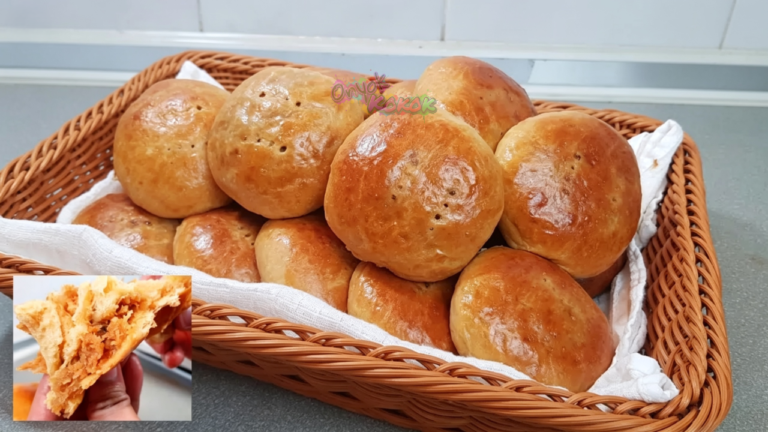
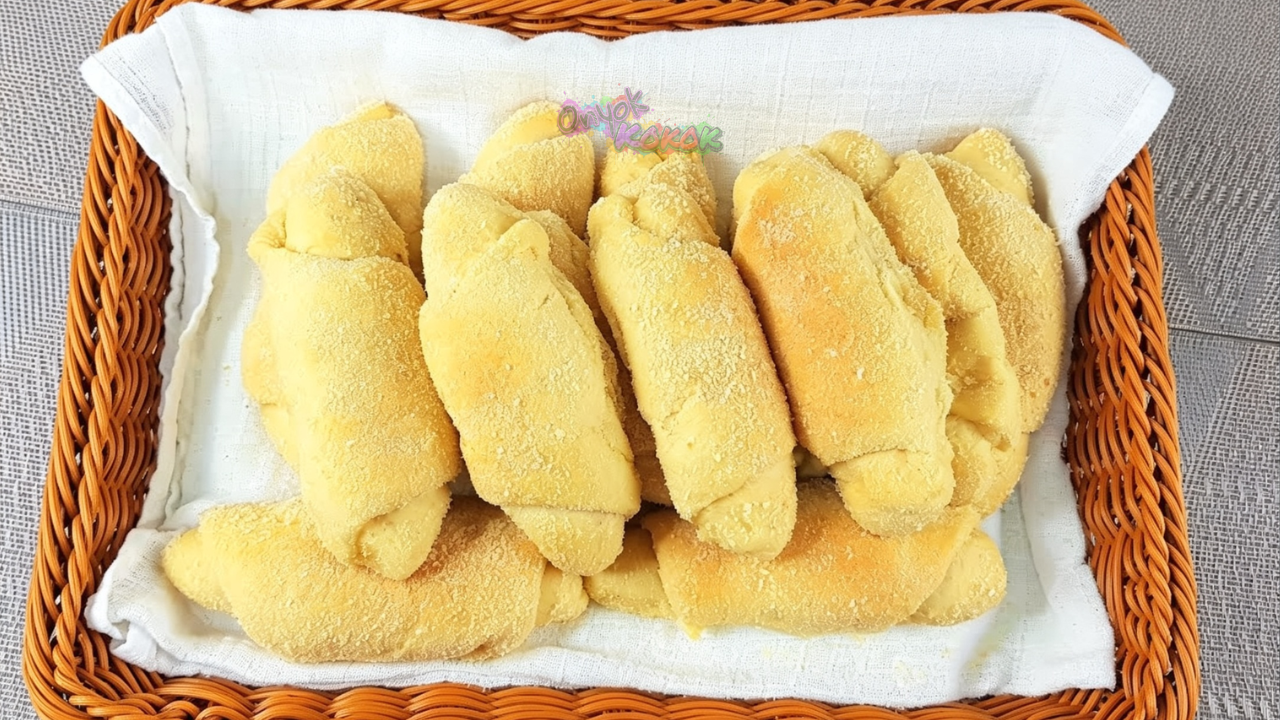
Filipino Spanish Bread is one of the most beloved Filipino bread recipes enjoyed for breakfast, merienda, or even as a quick snack with coffee. Known for its soft, fluffy texture and sweet buttery filling coated with breadcrumbs, Pinoy Spanish bread has become a staple in many local bakeries across the Philippines.
Despite its name, Filipino Spanish bread is quite different from bread commonly found in Spain. It is believed to have evolved from Spanish influences during the colonial period and was adapted to suit Filipino tastes. The result is the sweet, soft, and slightly dense bread that many Filipinos grew up enjoying.
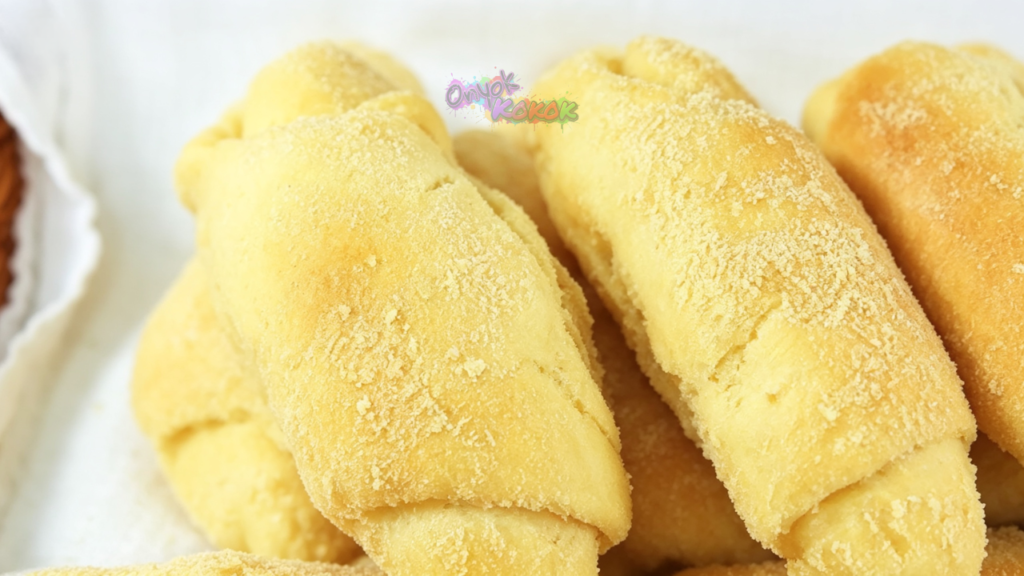
After trying several versions, this Filipino Spanish Bread Recipe turned out to be the most successful. It consistently produces soft, fluffy, and dense Spanish bread with a rich buttery filling. Even without a mixer, you can achieve bakery-style results at home by following a few simple techniques.
Whether you’re making this for your family, selling homemade bread, or simply craving a nostalgic Filipino merienda, this recipe is definitely worth trying.
9 Tips for this Filipino Spanish Bread Recipe
1. Bloom the Yeast Even if Using Instant Yeast
Although instant yeast can be mixed directly into the flour, blooming it first helps confirm that the yeast is active. If the mixture becomes foamy after 5 to 10 minutes, your yeast is alive and ready to use.
2. Use Warm Water, Not Hot Water
Water that is too hot can kill the yeast. Aim for warm water that feels comfortably warm to the touch.
3. Use Bread Flour for Better Structure
While all-purpose flour works perfectly fine, adding bread flour helps create a slightly denser and chewier texture that many people prefer in Spanish bread.
4. Do Not Melt the Butter
Room-temperature butter blends into the dough more effectively. Melted butter can alter the dough consistency and affect the final texture.
5. Avoid Adding Too Much Flour While Kneading
The dough may feel sticky at first. Resist the urge to keep adding flour. Too much flour can result in dry and hard bread. Continue kneading and the dough will gradually become smoother.
6. Allow the Dough to Fully Rise
Patience is important. Let the dough rise until doubled in size for the softest results.
7. Seal the Dough Properly
Pinch the seams tightly after adding the filling to prevent leaks during baking.
8. Don’t Skip the Second Rise
The additional 30-minute rest before baking helps create lighter and fluffier bread.
9. Watch the Baking Time Carefully
Overbaking can dry out the bread. Remove the bread once lightly golden and fully cooked.
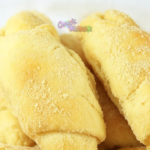
Amazing Filipino Spanish Bread Recipe na Sobrang Lambot at Siksik
Ingredients
For the Dough
- 1 cup all-purpose flour 162 grams
- 1 cup bread flour 162 grams. If bread flour is unavailable, replace it with an equal amount of all-purpose flour. However, bread flour is recommended for a denser and softer texture.
- 1/3 cup white sugar 84 grams
- 1/2 teaspoon table salt 3 grams
- 3/4 cup evaporated milk 187 grams
- 3 tablespoons butter, room temperature 63 grams
- 1 1/2 teaspoons instant yeast 6 grams
- 1/4 cup warm water 56 grams
- 1 tablespoon white sugar (taken from the dough ingredients) 21 grams
For the Filling
- 1/2 cup all-purpose flour 81 grams
- 4 tablespoons butter, softened 84 grams
- 4 tablespoons white sugar 84 grams
- 2 tablespoons evaporated milk 42 grams
For the Coating
- 1/2 cup breadcrumbs
Instructions
Bloom the Yeast
- Combine warm water and 1 tablespoon sugar in a bowl.
- Add the instant yeast.
- Stir gently and let sit for 5 to 10 minutes. The mixture should become foamy.
Make the Dough
- In a large bowl, combine: All-purpose flour, Bread flour, Sugar, Salt. Mix well.
- Add: Evaporated milk, Bloomed yeast mixture. Mix until combined.
- Add room-temperature butter. Continue mixing until incorporated.
Knead the Dough
- Transfer the dough onto a lightly floured work surface.
- Knead until smooth and elastic. Use only small amounts of flour when necessary. The dough may be sticky initially but will improve as you knead.
First Rise
- Lightly grease the dough with cooking oil.
- Place inside a bowl.
- Cover with a clean cloth.
- Let rise for 1 to 2 hours or until doubled in size.
Prepare the Filling
- While waiting for the dough to rise, combine flour, sugar, and evaporated milk in a bowl. Mix using a spoon.
- Add softened butter. Mix until a smooth paste forms.
- Set aside.
Divide the Dough
- Punch down the risen dough.
- Divide into 14 equal pieces.
- Each piece should weigh approximately 48 to 50 grams.
Fill and Shape
- Flatten each dough piece.
- Place about 1 to 1.5 teaspoon of filling in the center.
- Roll into a log shape. While rolling, seal the edges tightly.
Coat with Breadcrumbs
- Roll each shaped dough in breadcrumbs.
- Place on a lined baking tray.
Second Rise
- Cover with a cloth.
- Let rest for 30 minutes.
Bake
- Preheat the oven to 170°C.
- Bake for 15 to 18 minutes.
- Remove once lightly golden.
- Cool slightly before serving.
Other Ways of Cooking this Filipino Spanish Bread Recipe
Air Fryer Method
If you do not have an oven, an air fryer can be used.
- Preheat air fryer to 160°C.
- Arrange bread with enough space between pieces.
- Air fry for 10 to 14 minutes.
- Check frequently since air fryer models vary.
Toaster Oven Method
Bake at 170°C and monitor closely. Smaller toaster ovens may cook faster than conventional ovens.
Storage Tips
Room Temperature
Store in an airtight container for up to 2 days.
Refrigerator
Store in a sealed container for up to 5 days.
Freezer
Freeze baked Spanish bread for up to 2 months. To serve, thaw completely and warm in the oven, toaster oven, or microwave.
Frequently Asked Questions
Why is my Spanish bread hard?
The most common causes are adding too much flour during kneading or overbaking the bread.
Can I use only all-purpose flour?
Yes. However, bread flour helps produce a softer and slightly denser bread texture.
Can I skip blooming the instant yeast?
Yes, instant yeast can technically be mixed directly into the flour. However, blooming helps verify that the yeast is still active.
Why did my filling leak out?
The dough may not have been sealed properly. Pinch the seams tightly before baking.
Can I make the dough ahead of time?
Yes. You may refrigerate the dough after the first rise and shape it the following day.
Can I reduce the sugar?
Yes. You can slightly reduce the sugar in both the dough and filling according to your preference.
What breadcrumbs should I use?
Regular plain breadcrumbs work best and give Spanish bread its classic bakery-style coating. For the best results, use finely ground breadcrumbs. If your breadcrumbs are coarse, pulse them in a blender or food processor until they become very fine.
Watch the Filipino Spanish Bread Recipe video here:
For more recipe videos, visit our YouTube channel, Onyok Kokok, by clicking the link below.
https://www.youtube.com/@onyokkokok8538
Discover more step-by-step written recipes by clicking the link below.
Filipino Recipes & Cooking – Welcome to onyokrecipes.com
Final Note
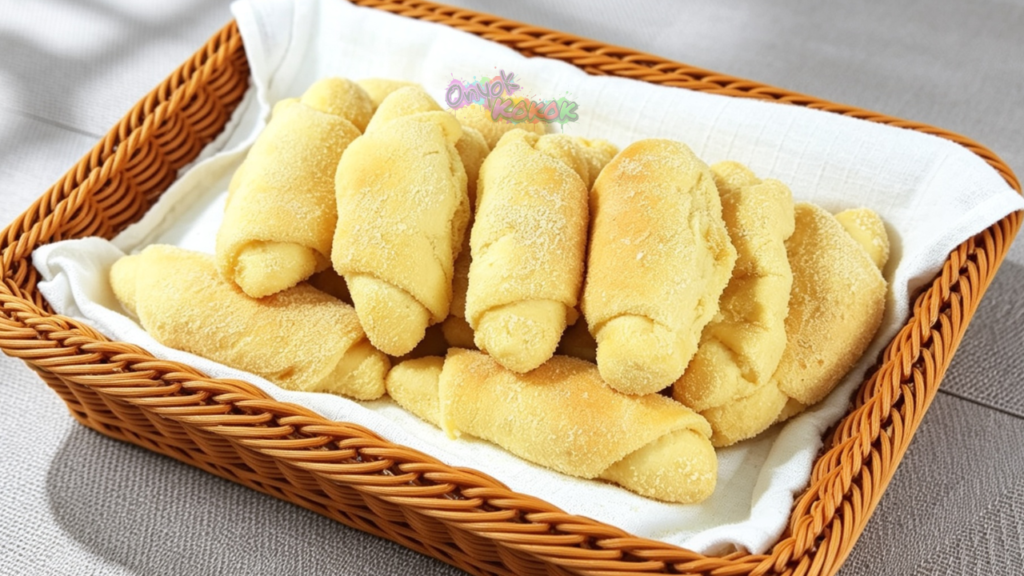
This Filipino Spanish Bread Recipe is a simple yet rewarding Filipino bread recipe that delivers soft, fluffy, and slightly dense bread filled with a sweet buttery filling. Whether you’re making it for breakfast, merienda, family gatherings, or even for a small home business, this recipe offers consistent and delicious results.
The secret to achieving the perfect Spanish bread is patience during kneading and proofing. Avoid adding too much flour, make sure your yeast is active, and allow the dough enough time to rise properly. Follow these steps and you’ll be rewarded with homemade Spanish bread that rivals your favorite neighborhood bakery.
If you’re looking for a reliable Filipino Spanish Bread Recipe that produces soft and flavorful bread every time, give this recipe a try and enjoy a classic Filipino favorite fresh from your own kitchen.