Special Sapin Sapin Recipe – The Ultimate Filipino Layered Rice Cake
Special Sapin Sapin Recipe – A Colorful Filipino Layered Rice Cake for Every Celebration
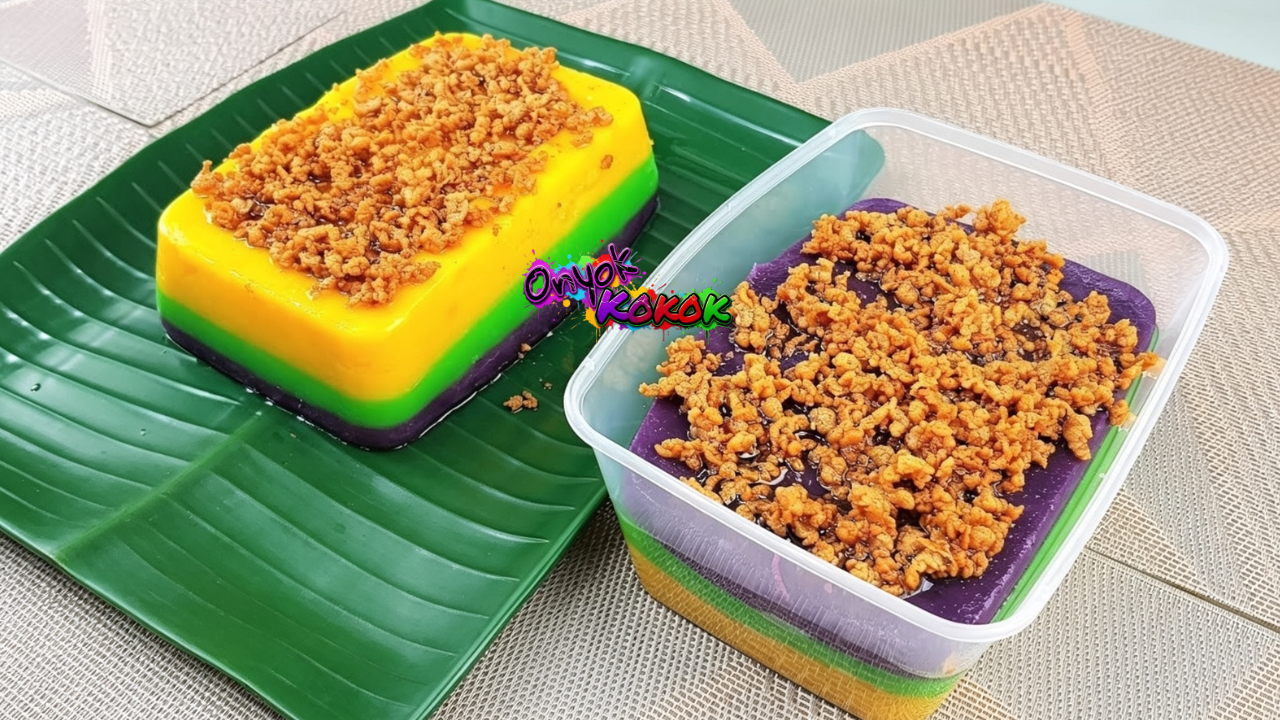
This Special Sapin Sapin Recipe is a delicious Filipino layered rice cake made with glutinous rice flour, coconut cream, and colorful flavored layers such as ube, jackfruit, and pandan. Known for its vibrant appearance and soft, chewy texture, sapin-sapin is a popular kakanin often served during fiestas, birthdays, holidays, and family gatherings.
The name “sapin-sapin” comes from the Filipino word sapin, which means layers. True to its name, this traditional dessert features several colorful layers stacked on top of one another, creating a beautiful presentation that makes it stand out on any dessert table.
What makes this Special Sapin Sapin Recipe unique is the combination of three classic Filipino flavors in one dessert. The rich ube layer provides a creamy and slightly nutty taste, the sweet jackfruit layer adds fruity goodness, while the pandan layer offers a subtle aroma that complements the other flavors perfectly. Finished with crispy homemade latik on top, every bite delivers a wonderful combination of textures and flavors.
Unlike some versions that can become overly dense, this recipe uses a balanced mixture of glutinous rice flour and all-purpose flour. The result is a softer, smoother, and more enjoyable sapin-sapin that remains chewy without being too sticky.
Whether you’re making it for a special occasion or simply craving a traditional Filipino kakanin, this Special Sapin Sapin Recipe is worth adding to your collection.
7 Tips for this Special Sapin Sapin Recipe
1. Use Coconut Cream Instead of Thin Coconut Milk
Coconut cream creates a richer flavor and creamier texture compared to regular coconut milk.
2. Make Sure the Sugar Fully Dissolves
Mix thoroughly before dividing the batter into separate bowls. This helps create smooth and even layers.
3. Keep the Batter Flowy
A slightly thin and pourable consistency helps produce a softer and more delicious sapin-sapin.
4. Grease Only the Bottom of the Pan
Avoid greasing the sides. Greasing the sides can cause the next layer to flow downward and create uneven layers.
5. Cover the Steamer Lid with Cloth
Wrapping the lid prevents water droplets from falling onto the sapin-sapin and creating wet spots.
6. Steam Each Layer Properly
Allow each layer to partially set before adding the next one. This helps maintain distinct layers.
7. Do Not Oversteam
Oversteaming may cause the texture to become tough and less enjoyable. Always perform a toothpick test to check doneness.
Special Sapin Sapin Recipe – The Ultimate Filipino Layered Rice Cake
Equipment
- 2 heat-resistant containers/trays
- 1 Steamer
Ingredients
For the Mixture
- 1 ½ cups glutinous rice flour
- ½ cup all-purpose flour
- 1 cup white sugar
- ½ cup condensed milk
- 2 ½ cups coconut cream
Ube Layer
- ½ cup ube halaya ube jam
- ½ teaspoon purple food coloring adjust as needed
Jackfruit Layer
- ½ cup sweetened jackfruit langka
- ½ teaspoon yellow food coloring adjust as needed
Pandan Layer
- ½ teaspoon pandan paste optional
- Optional Alternative: ½ cup macapuno
Others
- Cooking oil for greasing
- Latik for topping
Instructions
Prepare the Batter
- In a large mixing bowl, combine: Glutinous rice flour, All-purpose flour, White sugar.
- Mix until evenly combined.
- Add: Condensed milk, Coconut cream
- Mix thoroughly until the sugar is completely dissolved. The batter should have a smooth and flowy consistency.
Divide the Mixture
- Divide the batter equally into three separate bowls.
First Bowl: Ube Mixture
- Add: Ube halaya, Purple food coloring
- Mix well until the ube halaya is fully dissolved and evenly distributed.
- Set aside.
Second Bowl: Jackfruit Mixture
- Add: Sweetened jackfruit, Yellow food coloring
- Mix thoroughly.
- Set aside.
Third Bowl: Pandan Mixture
- Add: Pandan paste. Alternatively, use macapuno if available.
- Mix well.
- Set aside.
Prepare the Steamer
- Fill your steamer with water and bring it to a boil over medium-high heat.
- Wrap the steamer lid with a clean cloth to prevent condensation from dripping onto the sapin-sapin.
Prepare the Containers
- Lightly brush cooking oil only on the bottom of the two heat-resistant containers. Avoid greasing the sides to help maintain clean layers.
Steam the First Layer
- Divide the jackfruit mixture equally between the two containers.
- Steam for 10 minutes.
Steam the Second Layer
- Carefully pour the pandan mixture over the partially cooked jackfruit layer. Divide evenly between the two containers.
- Steam for 12 minutes.
Steam the Final Layer
- Pour the ube mixture on top of the pandan layer. Divide evenly between the containers.
- Steam for 18 minutes.
Check for Doneness
- Insert a toothpick into the center.
- If the toothpick comes out with no liquid batter remains, the Sapin Sapin is fully cooked. Avoid oversteaming.
Cool Completely
- Remove from the steamer.
- Allow the sapin-sapin to cool completely before slicing.
Add Latik
- Top generously with crispy latik before serving.
- Enjoy your homemade Special Sapin Sapin.
Storage Tips
Refrigerator
Store leftovers in an airtight container. Good for up to 4 days
Freezer
Wrap individual portions tightly. Good for up to 1 month.
Reheating
Allow frozen sapin-sapin to thaw overnight in the refrigerator. Steam briefly for a few minutes before serving to restore its soft texture.
Frequently Asked Questions – Special Sapin Sapin Recipe
Why Add All-Purpose Flour?
Many traditional sapin-sapin recipes use only glutinous rice flour. However, adding a small amount of all-purpose flour offers several benefits:
- Creates a softer texture
- Reduces excessive chewiness
- Makes slicing easier
- Helps the layers hold their shape
- Produces a smoother mouthfeel
This simple addition helps create a more balanced and enjoyable Special Sapin Sapin Recipe.
What is sapin-sapin?
Sapin-sapin is a traditional Filipino layered rice cake made with glutinous rice flour, coconut milk or coconut cream, sugar, and various flavorings.
Can I use coconut milk instead of coconut cream?
Yes, but coconut cream provides a richer flavor and creamier texture.
Can I make this recipe without food coloring?
Absolutely. Food coloring is mainly for visual appeal and does not significantly affect the flavor.
Can I use fresh jackfruit?
Yes. Fresh ripe jackfruit can be used if sweetened jackfruit is unavailable.
Can I substitute macapuno for pandan?
Yes. Macapuno is a popular ingredient commonly used in many sapin-sapin variations.
Why are my layers mixing together?
The previous layer may not have steamed long enough. Make sure each layer is partially set before pouring the next one.
Why is my sapin-sapin too firm?
Oversteaming can result in a firmer texture. Follow the recommended steaming times and perform a toothpick test.
Can I prepare sapin-sapin ahead of time?
Yes. Many people prepare sapin-sapin a day before serving since the flavors continue to develop after chilling.
Watch recipe video here:
If you’re looking for Latik recipe, click the link below.
For more recipe videos, visit our YouTube channel, Onyok Kokok, by clicking the link below.
https://www.youtube.com/@onyokkokok8538
Discover more step-by-step written recipes by clicking the link below.
Filipino Recipes & Cooking – Welcome to onyokrecipes.com
Final Note
This Special Sapin Sapin Recipe is a wonderful Filipino dessert that combines the classic flavors of ube, jackfruit, and pandan into one beautiful layered kakanin. Its colorful appearance, soft chewy texture, rich coconut flavor, and crunchy latik topping make it a favorite for celebrations and everyday merienda alike.
If you’re looking for a homemade Filipino delicacy that is both impressive and delicious, this Special Sapin Sapin Recipe is a great choice. Follow the tips carefully, avoid oversteaming, and you’ll be rewarded with perfectly layered sapin-sapin every time.